
What areas require wet area waterproofing?
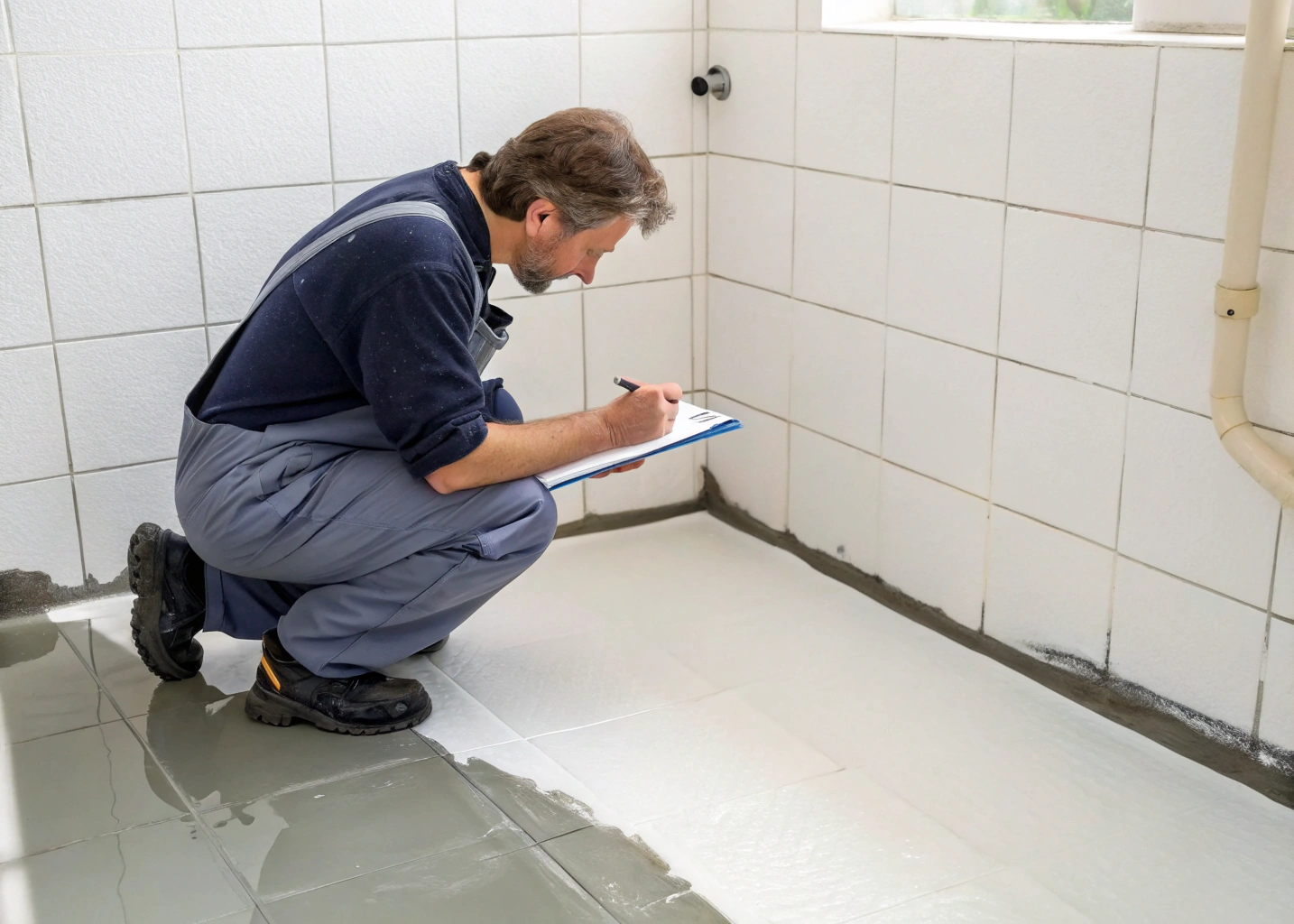
A bathroom renovation here usually costs between $12,000 and $45,000+, depending on the size, the scope of work, and the quality of fixtures you choose.
- Budget ($12,000-$18,000): Cosmetic updates within the existing layout – new tiles, vanity and tapware, without moving any plumbing.
- Mid-Range ($18,000-$32,000): The most common choice for Wollongong homes – full strip-out, waterproofing, retiling and quality fixtures.
- Premium ($32,000-$45,000+): Complete layout changes, plumbing moved, custom joinery and high-end finishes.
The final price depends on the size of your bathroom, the condition of the existing waterproofing (a common issue in Wollongong’s older homes), and whether plumbing or electrical work needs to be moved.

Every Wet Area We Waterproof — And Why Each One Is Different
Not every wet area is waterproofed the same way. The materials, the membrane type, the detailing, and the standard that applies all change depending on what the space is and how water moves through it.
AS 3740 vs AS 4654 — Which Standard Applies to Your Wet Area?
The standard that applies to your wet area depends on what the space is and where it sits in the building. Here’s how they break down:
| Wet Area | Applicable Standard | Key Requirement |
|---|---|---|
| Bathrooms & ensuites | AS 3740 | Full floor, wall junctions, wet wall zones |
| Shower enclosures | AS 3740 | Floor and walls to minimum 1800mm |
| Laundries | AS 3740 | Floor and wall junctions at tubs and appliances |
| Toilets | AS 3740 | Floor and wall junctions where applicable |
| Internal balconies & terraces | AS 4654 | Full membrane under finished surface |
| External balconies & podium decks | AS 4654 | Trafficable membrane with UV and thermal movement resistance |
| Commercial wet areas | AS 3740 / BCA | Chemical resistance, foot traffic loading, building class requirements |
Every job we complete comes with compliance documentation confirming which standard was applied and how the work was carried out.
Waterproofing Wollongong's Housing Stock — What the Illawarra Throws at Membranes
The Illawarra is a tough environment for building materials. Coastal humidity, salt air, and temperature swings between a hot summer and a wet winter put membranes under stress that inland properties don’t experience to the same degree.
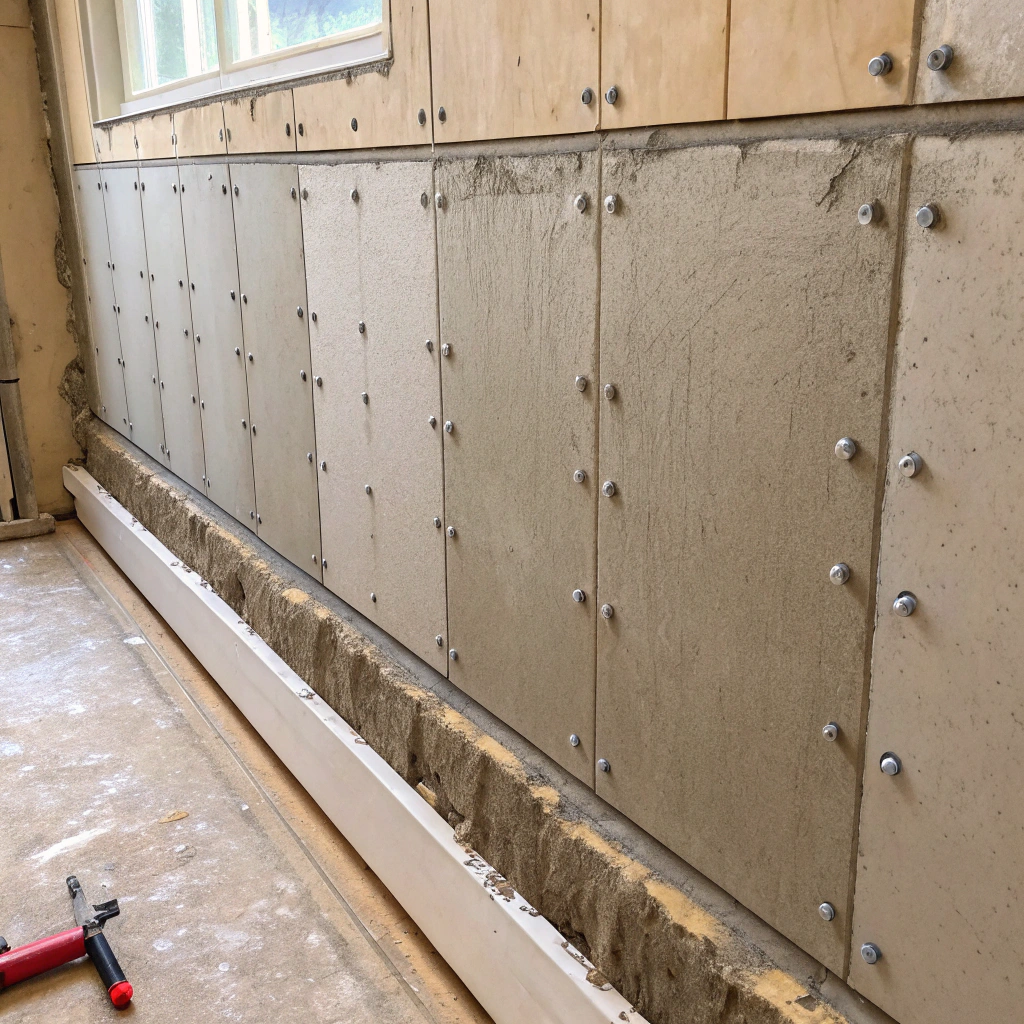
Most of Wollongong’s housing stock was built between the 1950s and 1980s. Fibro homes in Fairy Meadow, Corrimal, and Thirroul were never waterproofed to any standard. Brick homes from the same era aren’t much better. What’s behind the tiles in most of these properties is a substrate that has been absorbing moisture for decades.
Exposed balconies face additional pressure from thermal movement — the expansion and contraction of the structure through temperature changes — which puts constant stress on membrane bonds.
We’ve worked across Wollongong’s housing stock long enough to know what’s behind the walls in these suburbs.
New Construction vs Renovation Waterproofing — Six Key Differences
Waterproofing a new build and waterproofing a renovation are not the same job. Here’s what changes:
- Substrate condition — New construction gives us a clean, known substrate. Renovation work means assessing what’s already there — often damaged or incompatible with standard membrane systems.
- Trade sequencing — On a new build, waterproofing happens at the right point in the sequence. In a renovation, it has to be managed around existing work.
- Concealed damage — Renovation work regularly uncovers failures, rotting substrate, or structural moisture damage that wasn’t visible before the old tiles came off.
- Scope confirmation — New builds have documented plans. Renovations require a physical inspection to confirm what needs waterproofing and what prep work is required.
- Moisture testing — Existing substrates need to be tested for moisture content before membranes go down. Applying membrane over a wet substrate is one of the most common causes of early failure.
- Compliance documentation — Both new construction and renovation work require AS 3740 or AS 4654 compliance documentation on completion.
Working on a new development or managing a renovation program? We work directly with builders and property managers across the Illawarra — get in touch to discuss your project.
Membrane Selection — Why the Wrong Product Fails
Choosing the right membrane isn’t a matter of picking whatever’s on the shelf. The substrate, the wet area type, the water exposure, and the finish going over the top all determine which product is right for the job.
Liquid Applied Membranes
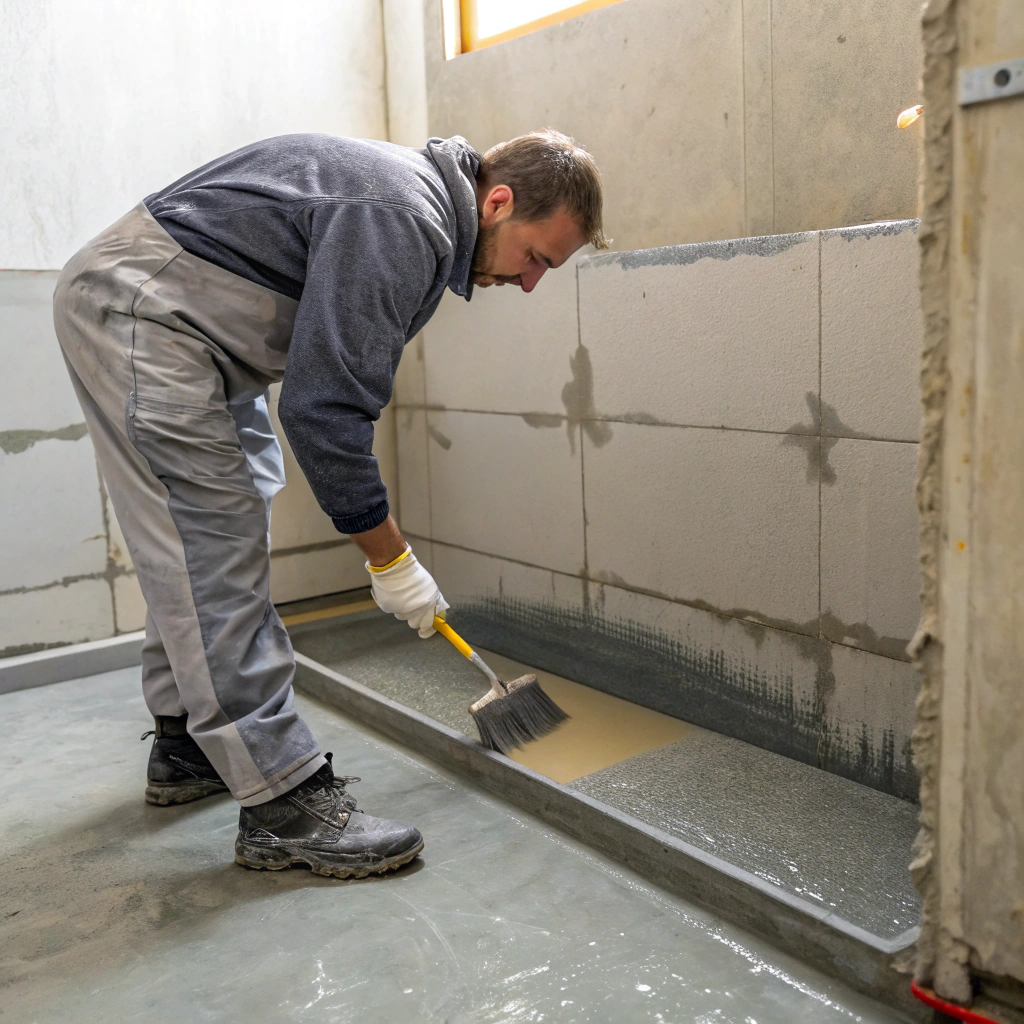
The most common system for domestic wet areas. Applied by brush or roller, they form a seamless layer that covers complex shapes well. Correct film thickness and full cure time before tiling are non-negotiable.
Sheet Membranes
Bonded to the substrate in sections, suited to large flat areas. Laps and joins require careful detailing — a poorly bonded join is a direct path for water.
Trafficable Membranes
Used on balconies and external decks where the membrane faces foot traffic, UV, and thermal movement. A different product category to domestic membranes entirely.
Membrane-to-Adhesive Compatibility
The membrane and tile adhesive need to be compatible. The wrong adhesive can break the bond between the two — lifting tiles and compromising the waterproofing layer underneath.
Commercial Wet Areas — Higher Volumes, Different Rules
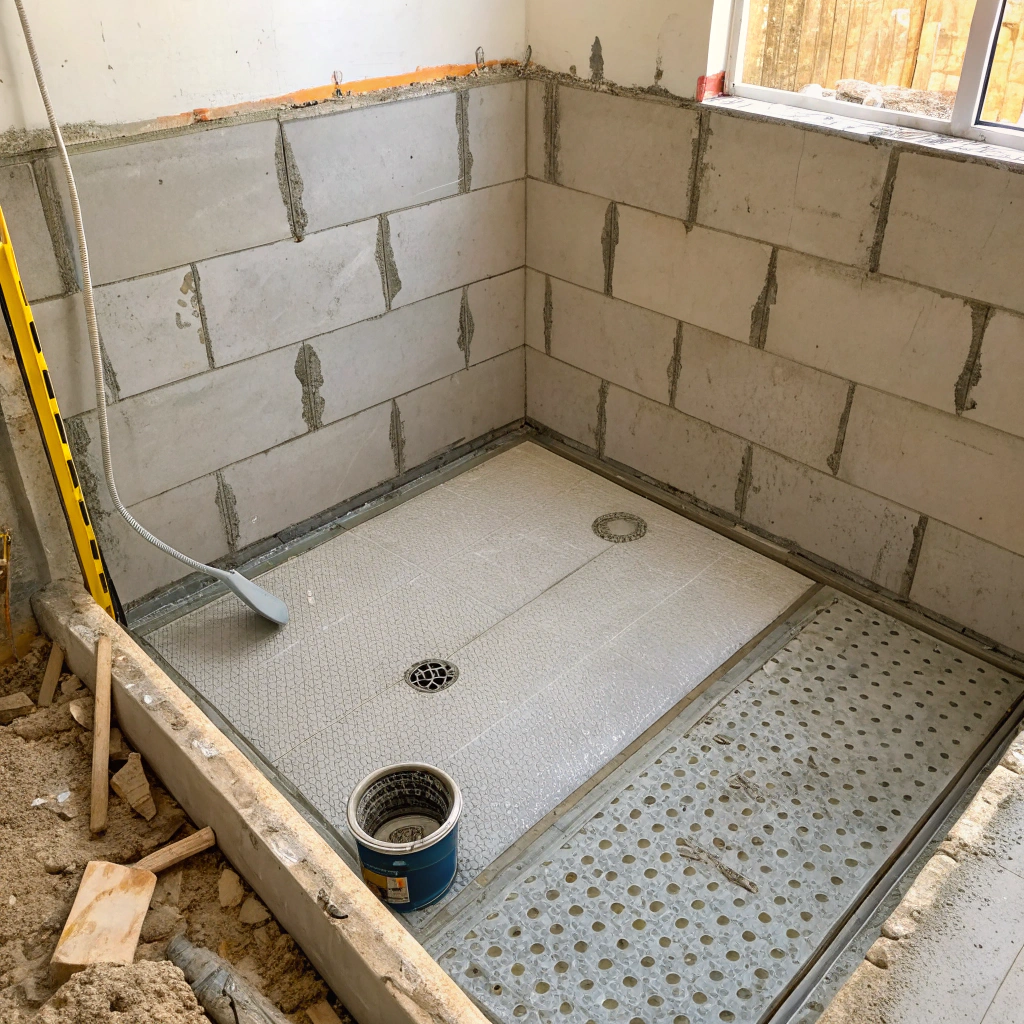
Commercial wet areas carry demands that domestic waterproofing systems aren’t built to handle. A bathroom in a family home sees a fraction of the water volume, foot traffic, and chemical exposure that a commercial kitchen, amenities block, or food preparation area deals with on a daily basis.
The membrane systems we use in commercial wet areas are selected for chemical resistance — cleaning products, sanitisers, and food acids that would degrade a standard domestic membrane over time. Foot traffic loading is a factor too, particularly in commercial kitchens and amenities blocks where the floor surface takes constant wear.
BCA building class requirements also apply to commercial wet areas, adding a compliance layer beyond AS 3740 that domestic work doesn’t carry. We work with builders and fitout contractors across the Illawarra to make sure commercial wet area waterproofing meets the requirements of the building class before any other trades move in.
What Compliant Wet Area Waterproofing Actually Looks Like
Good waterproofing isn’t visible once the tiles go down — which is exactly why the process behind it matters.
Substrate Preparation: We check for moisture content, structural integrity, and compatibility with the membrane system before anything goes down. Existing damage or incompatible previous products get dealt with at this stage.
Membrane Application: Membrane is applied to the correct film thickness, with full coverage at all floor-to-wall junctions, internal corners, and penetrations — the details that determine whether a membrane performs or fails.
Pre-Tile Inspection: Before tiling begins, we inspect the completed membrane for coverage, film thickness, and detailing at all critical points. Any issues get resolved while they’re still accessible.
Compliance Documentation: On completion, we provide written documentation confirming the work was carried out to AS 3740 or AS 4654 — required for building certification and future property transactions.
Frequently Asked Questions
Yes. Any time tiles are removed, the existing waterproofing membrane is disturbed. We always assess and re-apply membrane before new tiles go down — skipping this step is one of the most common causes of water damage in renovated bathrooms.
It depends on the membrane system used, but most liquid applied membranes require a minimum of 24 to 48 hours cure time before tiling can begin. We never rush this stage — applying tiles over an uncured membrane is a direct path to failure
AS 3740 is the Australian Standard for waterproofing of domestic wet areas. Compliance means the membrane was selected, applied, and detailed to meet the minimum requirements set out in that standard. We provide written documentation confirming compliance on every job.
AS 3740 applies to domestic wet areas — bathrooms, ensuites, laundries, and similar spaces. AS 4654 applies to external above-ground structures like balconies and terraces, which face additional demands from UV exposure and thermal movement. Different standards, different membrane systems.
Common signs include lifting or cracking tiles, grout that keeps discolouring or crumbling, damp patches on walls or ceilings adjacent to wet areas, or a persistent musty smell. By the time these signs appear, water has usually been getting through for some time.
Sometimes, but not always. We test the existing membrane for adhesion and integrity before making that call. If the existing product is compromised, incompatible, or applied incorrectly, it needs to come off before a new membrane goes down.
Waterproofing itself doesn’t trigger a DA, but it forms part of the broader renovation work that may require a complying development certificate or building approval depending on the scope. We can talk you through what applies to your job.
Get a Free Wet Area Waterproofing Quote in Wollongong
Whether you’re renovating a bathroom, waterproofing a balcony, or managing a commercial fitout across the Illawarra, we’re ready to assess your wet area and provide a straight, no-obligation quote.
Every job we do is carried out to AS 3740 or AS 4654, with compliance documentation on completion. Licensed waterproofers. Real experience with Wollongong’s housing stock. No shortcuts.
Call us on 02 4003 6408 or fill out the form below and we’ll be in touch to arrange your free wet area assessment.
