
Do You Need a Licensed Plumber to Install a Toilet in NSW?
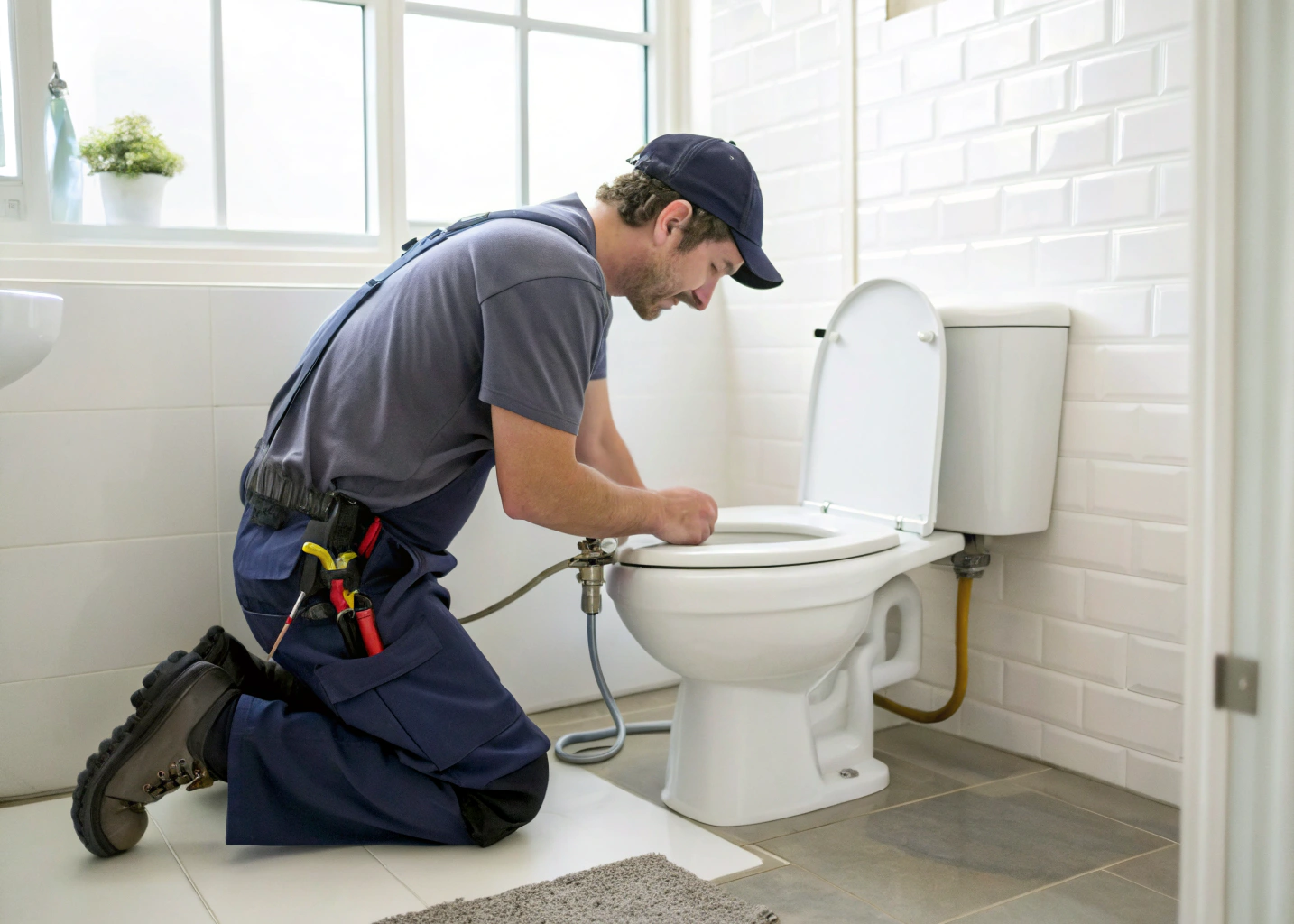
Yes. In NSW, toilet installation is regulated plumbing work and must be carried out by a licensed plumber. This applies to all Wollongong and Illawarra homes — regardless of how straightforward the job looks.
Licensed plumbing is required because toilet installation involves:
- Connection to the mains water supply via the cistern fill valve
- Connection to the drainage system via the soil pipe
- Floor sealing and pan collar installation
- Flush volume adjustment to meet water efficiency standards
Why it matters:
- Unlicensed plumbing work is illegal under NSW Fair Trading regulations
- DIY installation can void your home insurance and create liability when you sell
- A licensed plumber must issue a Certificate of Compliance on completion
You can verify your plumber’s licence at Service NSW or by checking their licence card when they arrive on site.

Toilet Types We Install Across Wollongong and the Illawarra
We install all common toilet configurations across the Illawarra region. Here’s what each type involves.
Close-Coupled Suites
The most common setup in Wollongong homes — the cistern sits directly on top of the pan. Installation is straightforward, though older homes may have S-trap or skew-trap waste configurations that need adaptor fittings to suit modern suites.
Back-to-Wall Toilets
The cistern is concealed inside a vanity unit or purpose-built housing, giving a cleaner look than a close-coupled suite. Access panel placement matters here — it needs to be positioned so the cistern can be serviced down the track without pulling cabinetry apart.
Wall-Hung Toilets
The pan fixes to an in-wall carrier frame with the cistern fully concealed behind the wall. It frees up floor space and makes cleaning easier. Installation involves wall framing and modification — it’s not a like-for-like swap, and the carrier frame needs to be rated for the load.
Skew-Trap and S-Trap Configurations
Common in older Illawarra homes — particularly 1960s to 1980s brick and fibro construction. Skew-trap to S-trap conversions need specific adaptor fittings to suit a replacement suite. It’s something we handle routinely across the region, not a complication.
What's Involved in a Professional Toilet Installation
Every toilet installation we carry out follows the same sequence — no shortcuts, no steps skipped.
- Isolate the water supply before any work begins
- Remove the existing toilet and pan collar where applicable
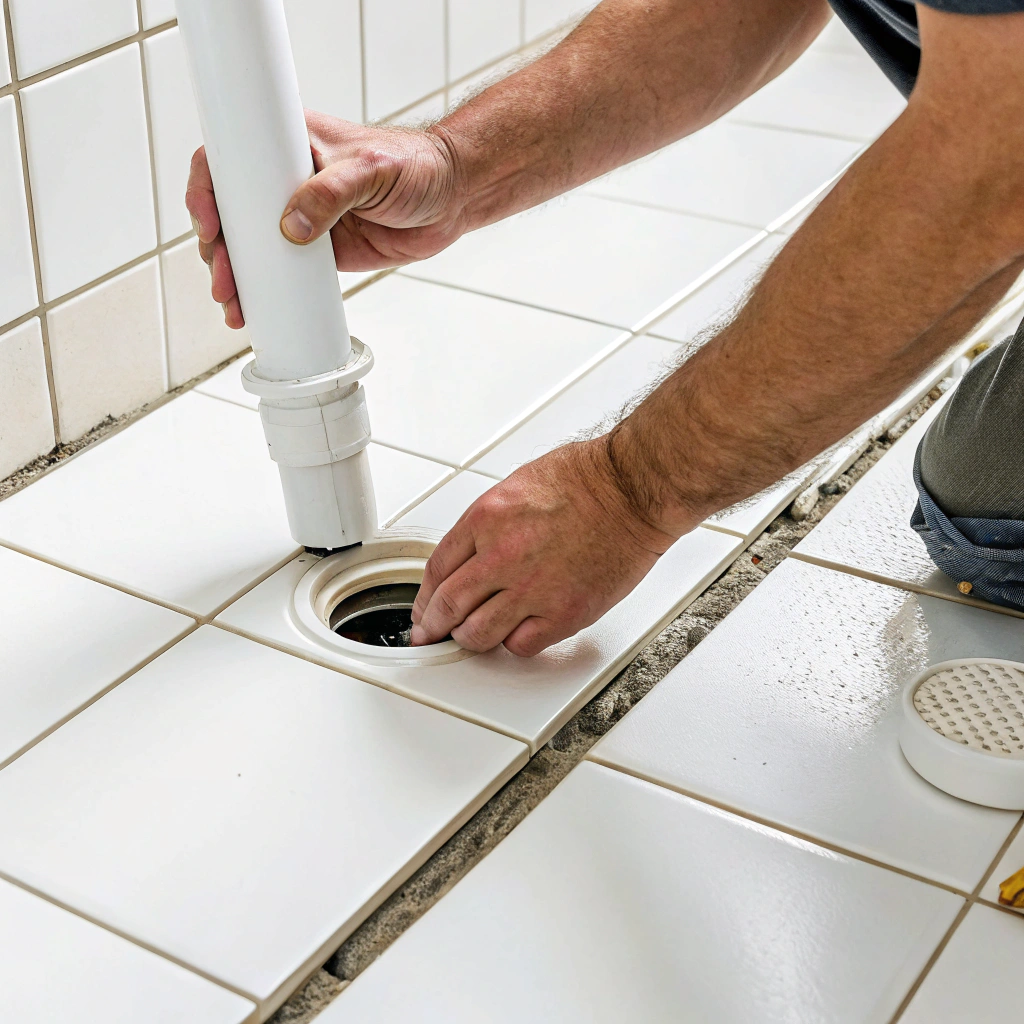
- Connect the waste to the soil pipe, including a trap configuration check
- Install the pan collar and seal to the floor
- Connect the water supply to the cistern fill valve
- Adjust flush volume to meet dual-flush water efficiency requirements
- Pressure test, flush cycle test, and full leak check before sign-off
A Certificate of Compliance is issued on completion for every installation — this is a legal requirement under NSW plumbing standards and your proof that the work was done by a licensed plumber to code.
Toilet Replacement — When Repair Is No Longer Worth It
Not every toilet problem means a full replacement. A faulty fill valve, a worn flapper, or a loose seat are all straightforward repairs we can take care of. But some problems are past the point where repair makes sense.
A cracked or badly stained pan can’t be restored — once it’s structurally compromised, replacement is the only safe option. A cistern that keeps running is similar — if the parts aren’t available anymore, or the repair cost is approaching what a new suite would cost, we’ll recommend replacement.
Older single-flush suites are also commonly swapped out for dual-flush water-efficient models, and toilets are often replaced as part of a full bathroom layout change. When that’s the case, waste position, rough-in dimensions, and floor waste location all affect which suite will fit — and we sort that out before anything is purchased.
Choosing the Right Toilet Before the Plumber Arrives
One of the most common and costly mistakes we see is a homeowner purchasing a replacement toilet before confirming it suits their existing setup. The wrong suite arrives on site, the job gets delayed, and sometimes the product needs to go back entirely.
Before buying, there are a few specifications worth confirming:
- Rough-in dimension — the distance from the wall to the centre of the waste outlet varies between models and needs to match your existing configuration
- Trap type — S-trap, P-trap, or skew-trap compatibility affects which suites will fit without modification
- Wall set-out — back-to-wall and wall-hung models have specific requirements that need to be checked against your bathroom layout
- WELS star rating — dual-flush requirements apply under NSW water efficiency standards
We’re happy to confirm your specifications before you purchase — so the right suite arrives on site and the installation goes smoothly from the start.
Accessible and Comfort-Height Toilet Installations
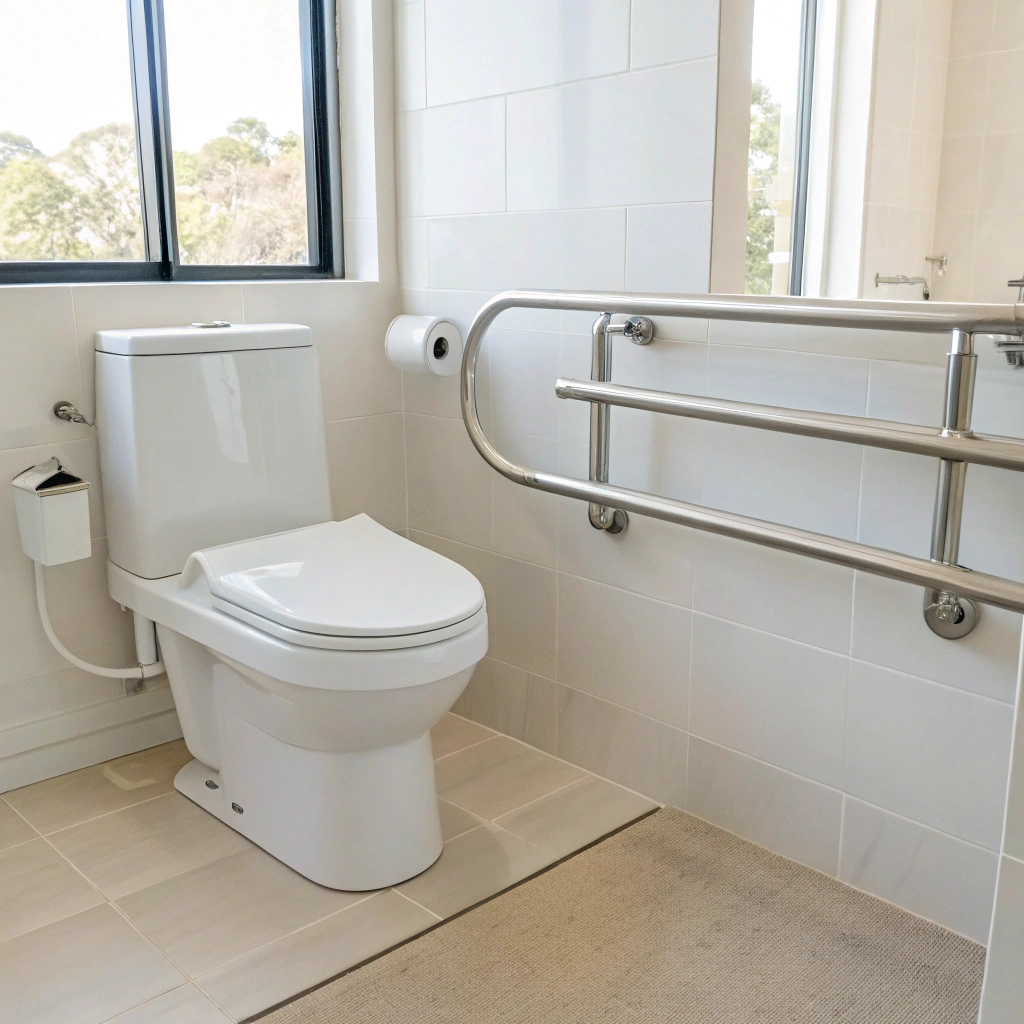
Comfort-height toilet suites sit higher than a standard pan — typically 430mm to 480mm to the seat rather than the standard 400mm. That extra height makes a real difference for older residents, anyone recovering from surgery, or family members with mobility considerations. It reduces the effort required to sit down and stand up, which is something that matters more than most people realise until they need it.
For accessible bathroom configurations, toilet positioning is part of a broader layout decision. Grab rail placement relative to the pan, clearance zones for wheelchair or mobility aid access, and step-free entry all need to be considered together rather than in isolation. If you’re planning a full accessible bathroom layout, our accessible bathroom renovation service covers the complete scope — toilet positioning, wet room configuration, grab rails, and everything in between.
Toilet Installation as Part of a Bathroom Renovation
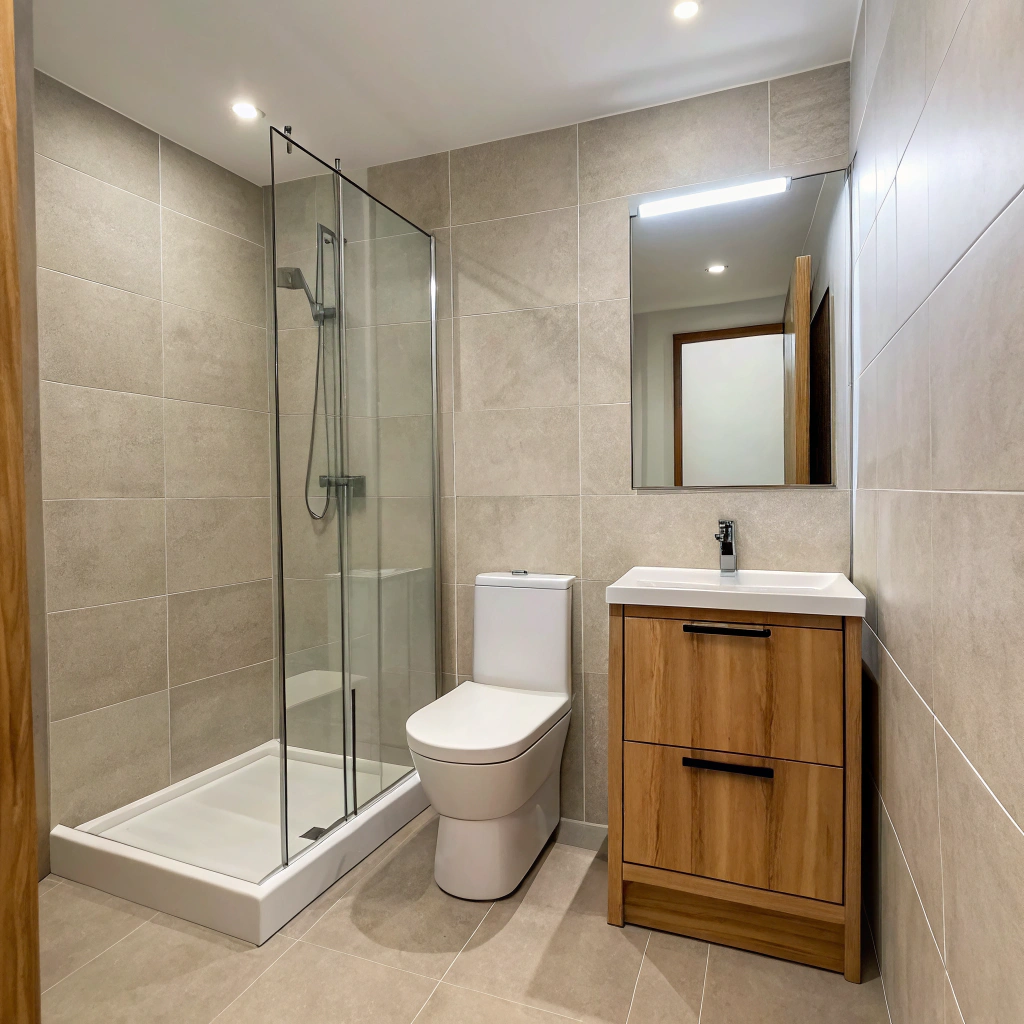
When a toilet is being installed as part of a full bathroom renovation, the scope is different — and the sequencing matters.
If the layout is being reconfigured, the toilet’s rough-in position may change. That means relocating the soil pipe, which is more involved than a standard swap. It needs to be planned at the start of the project, not figured out after tiling is done.
Wall-hung and back-to-wall toilets are commonly specified in renovation projects. When an in-wall cistern is involved, the installation has to be sequenced around wall framing and tiling — the cistern goes in before the walls are tiled, and the access panel position needs to be confirmed before anything is fixed in place.
We coordinate toilet installation within the broader renovation programme — single point of contact, right rough-in from day one, no expensive rectification later.
Serving Wollongong, the Illawarra and Surrounding Suburbs
We carry out toilet installation across Wollongong and the broader Illawarra region — new installs, like-for-like replacements, and full renovation fitouts. Whether it’s a single toilet swap in an older Dapto home or a full bathroom renovation in Thirroul or Figtree, we bring the same approach to every job — licensed, on time, and done to NSW plumbing standards.
Every installation includes a Certificate of Compliance on completion, so you have documentation that the work was carried out correctly — something that matters at the point of sale and for your home insurance.
Suburbs we service: Wollongong CBD, Fairy Meadow, Thirroul, Corrimal, Woonona, Bulli, Figtree, Keiraville, Dapto, Unanderra, Port Kembla, Warrawong, Shellharbour, Kiama, Albion Park, Berkeley, Mount Ousley.
Frequently Asked Questions
The cost depends on the type of toilet, your existing waste configuration, and whether any modifications are needed. A straightforward like-for-like replacement is typically less involved than a wall-hung installation or a soil pipe relocation. We provide a free quote before any work begins so you know exactly what you’re up for.
A standard replacement usually takes two to three hours. More involved installations — wall-hung toilets, in-wall cisterns, or soil pipe relocations as part of a renovation — take longer. We’ll give you a realistic timeframe when we quote the job.
You can, but we recommend confirming the specifications with us before you purchase. The wrong rough-in dimension or trap type can mean the suite won’t fit without modification. We’re happy to check compatibility before you buy.
A Certificate of Compliance is a legal document issued by a licensed plumber confirming the work meets NSW plumbing standards. We issue one on completion of every installation. You’ll need it for your home insurance and it’s important documentation at the point of sale.
No. Toilet installation is regulated plumbing work in NSW and must be carried out by a licensed plumber. DIY installation is illegal, can void your home insurance, and creates liability when you sell your property.
S-trap toilets have a waste outlet that exits through the floor, while P-trap toilets exit through the wall. Older Wollongong homes — particularly 1960s to 1980s construction — commonly have skew-trap or S-trap configurations. We check your existing setup before recommending a replacement suite so there are no surprises on the day.
If the pan is cracked, the cistern keeps running and parts aren’t available, or the repair cost is approaching the price of a new suite, replacement is usually the better option. We’ll give you an honest assessment — we won’t recommend replacement if a repair will do the job.
Get a Free Quote — Licensed Wollongong Plumbers
Whether you need a single toilet replaced or a full bathroom renovation planned from the ground up, we’re ready to help. We service Wollongong and the Illawarra with fast response times, licensed plumbers, and no-obligation quotes.
Bathroom Renovations Wollongong
📞 0240036408
Getting started is simple:
- Call us or submit a quote request
- We confirm your toilet type, configuration, and site requirements
- Our licensed plumber arrives on time, installs to NSW plumbing standards, and issues your Certificate of Compliance on completion
No hidden costs. No unlicensed subcontractors. Just clean, compliant toilet installation Wollongong homeowners can rely on.
