
Does Grout Need to Be Sealed?
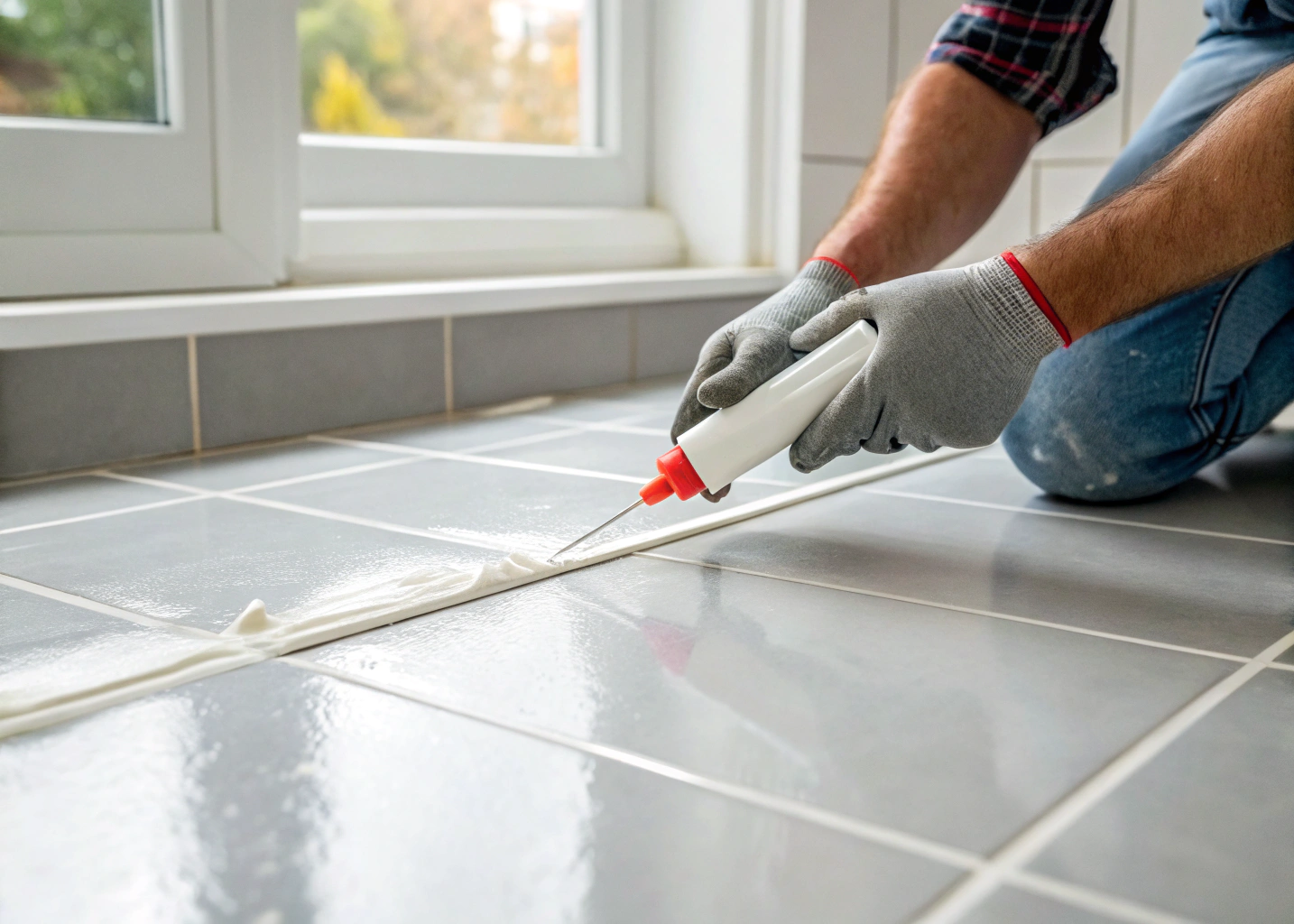
Most residential grout in Wollongong homes is cement-based, and yes — it needs to be sealed.
- Cement grout: porous material that absorbs moisture and staining from day one. Must be sealed to prevent contamination and deterioration.
- Epoxy grout: non-porous and self-sealing. No treatment required.
Not sure if your grout still has active sealer protection? Run the water bead test:
- Drop a small amount of water onto the grout line
- Watch what happens — water that beads and sits on the surface means the sealer is still working
- Water that absorbs into the grout and darkens the surface means the sealer has worn off and resealing is needed
If your grout is absorbing water, we can assess and reseal it for you. We service Wollongong and the full Illawarra region — free quotes available.

Why Unsealed Grout Is a Problem Waiting to Happen
Cement-based grout — the type found in the overwhelming majority of Wollongong homes — behaves like a sponge from the moment it’s exposed. Moisture, soap scum, body oils, and cleaning product residue all penetrate the grout surface during normal household use.
Leave it unsealed and the consequences stack up. Progressive staining sets in that surface cleaning can’t reach. Trapped moisture supports mould growth in grout lines. The original grout colour shifts to a patchy grey or brown. And underneath all of that, the grout itself is deteriorating.
We see this regularly in older homes across Corrimal, Fairy Meadow, and Dapto — original tiling from the sixties, seventies, and eighties that has never been sealed.
If you’ve invested in quality tiling, sealing is what makes that investment last.
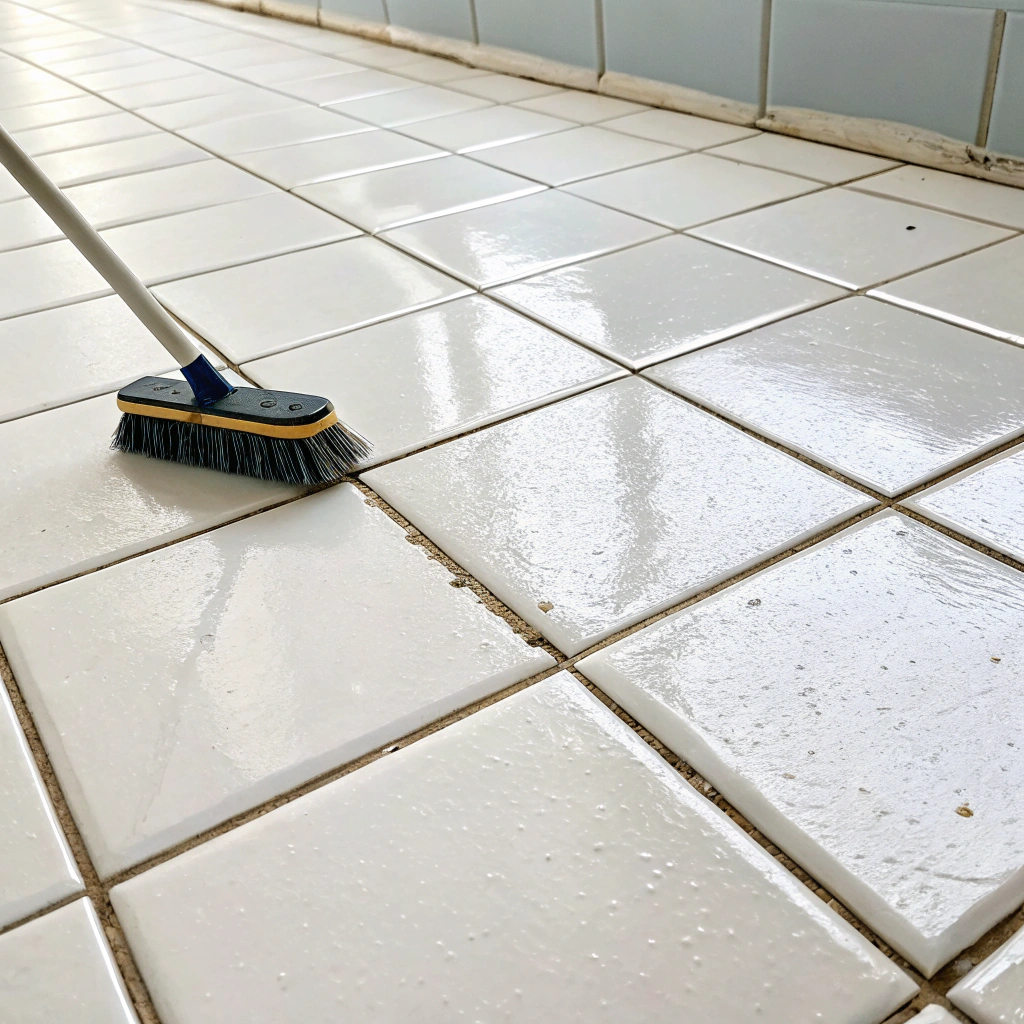
Penetrating vs Topical Sealers — Which One Actually Works
Not all grout sealers are the same product. The type of sealer used determines how long the protection lasts, whether it changes the look of your grout, and how it holds up under regular cleaning and wet area exposure.
| Penetrating Sealer | Topical Sealer | |
|---|---|---|
| How it works | Absorbs into the grout and bonds within the material | Sits on the surface as a coating |
| Appearance change | None — invisible protection | Visible sheen or colour shift |
| Durability | Long-term, does not peel or wear unevenly | Surface wear, can peel or flake over time |
| Best for | All residential wet areas, floors, showers | Limited decorative applications only |
| Reapplication | Every 2–5 years depending on environment | More frequent — wears with cleaning and traffic |
For residential tiling in Wollongong homes, penetrating sealer is the right choice. It delivers durable protection without altering the appearance of your grout, and it won’t degrade under regular cleaning or wet area exposure the way a surface coating will.
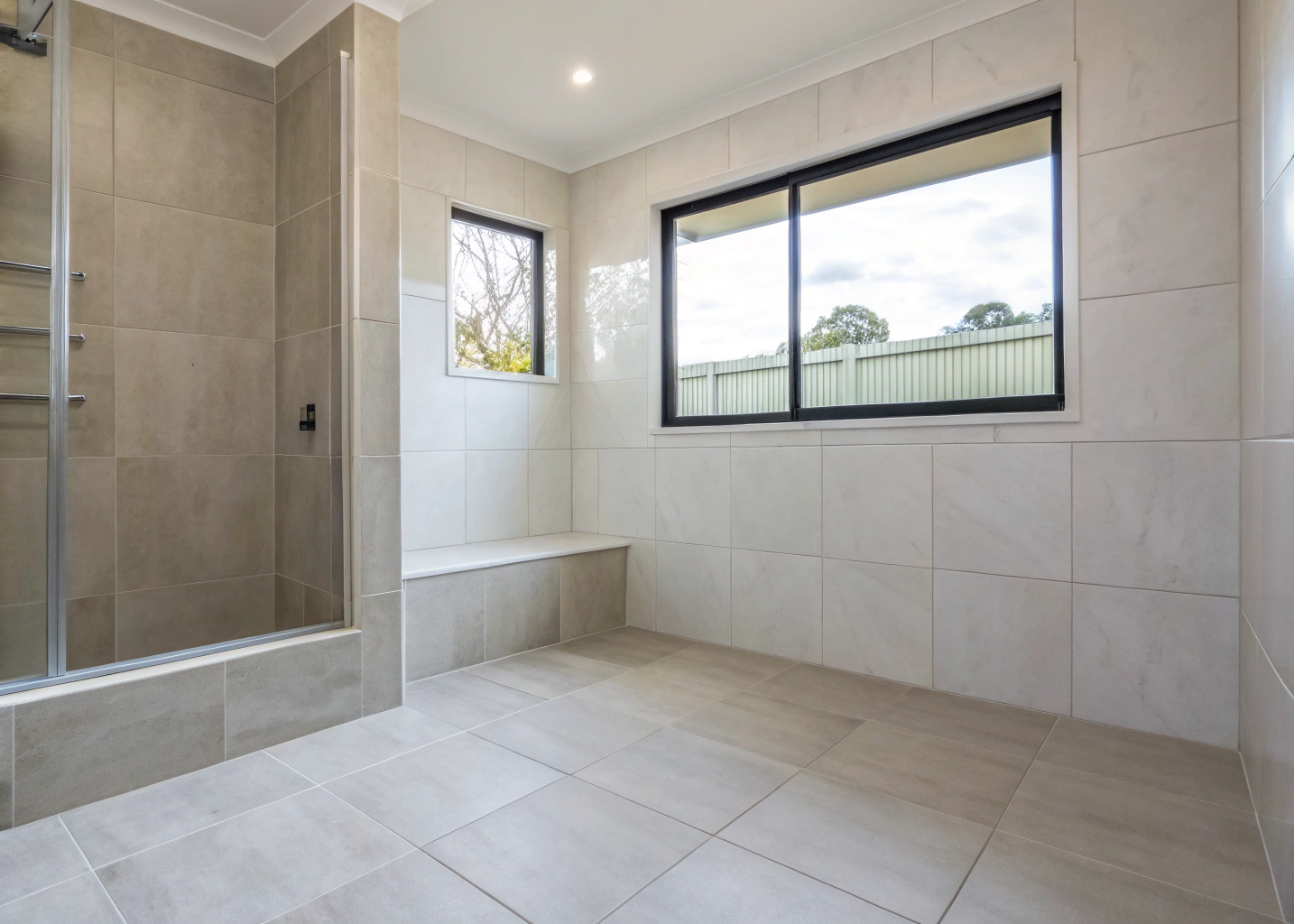
When Does Grout Need to Be Sealed?
After a New Tile Installation: New grout needs to cure fully before sealer is applied — at minimum 48 to 72 hours after grouting, though humidity and temperature in the Illawarra can affect that window. Sealing too early traps moisture inside the grout body and compromises both the cure and the sealer bond. We apply sealer at the correct point in the installation sequence — the final step in a properly completed tiling job.
Existing Grout That Has Never Been Sealed: Many Wollongong homes — particularly those built between the sixties and nineties in Thirroul, Woonona, and Figtree — have original tiling that has never been sealed. The signs are clear: permanent staining that doesn’t respond to cleaning, patchy discolouration, grout that feels rough or chalky, and persistent mould in shower grout lines. We can restore protection even on aged grout, provided the grout body is still structurally sound.
When the Previous Sealer Has Worn Off: Grout sealer doesn’t last indefinitely. In high-use wet areas, protection degrades over time through repeated cleaning, foot traffic, and ongoing moisture exposure. The water bead test is the simplest check — a few drops of water on the grout line tells you quickly whether active protection is still there or whether resealing is overdue.
Surface Preparation — Why It Determines the Entire Result
Surface preparation is where the quality of a professional grout sealing job is won or lost. Sealing over dirty, damp, or contaminated grout locks contaminants into the surface, prevents proper sealer penetration, and produces a result that fails prematurely. This is the most common reason DIY grout sealing underperforms.
Here’s the preparation sequence we follow before every sealing job:
- Initial inspection — assess grout condition and identify any structurally failed lines that need repair before sealing proceeds
- Soap scum and calcium deposit removal — chemical treatment to dissolve mineral build-up that would otherwise sit beneath the sealer
- Mould and mildew treatment — targeted treatment of any biological growth in grout lines, particularly in shower areas
- Deep clean of grout lines — removal of all surface contamination to expose the raw grout body
- Full dry-out confirmation — grout must be completely dry before sealer is applied; residual moisture prevents bonding and traps water beneath the surface
- Sealer application — penetrating sealer applied evenly across all grout lines, with excess wiped from tile faces before it cures
This preparation sequence is what separates a professional result from a DIY attempt that wears off within months.
Where Grout Sealing Matters Most in a Wollongong Home
Shower Floors and Walls: Shower grout faces water, soap, body oils, and steam every day — making it the highest-priority sealing environment in any home. Unsealed shower grout stains rapidly, supports mould growth, and deteriorates faster than grout anywhere else in the house.
Bathroom Floors: Bathroom floors accumulate moisture from daily use while foot traffic compounds contaminant absorption. In Wollongong’s older homes where a single main bathroom serves the whole family, floor grout takes heavy use and needs reliable sealer protection to maintain appearance and hygiene.
Kitchen Splashbacks: Cooking oils, food acids, and steam stain cement grout rapidly and are difficult to remove once absorbed. Sealing splashback grout prevents penetration and keeps the surface cleanable with standard kitchen products.
Outdoor Tiled Areas: Outdoor grout faces UV, rain, and in coastal suburbs like Thirroul and Shellharbour, salt air exposure. Penetrating sealer protects against moisture ingress and organic staining, though outdoor grout typically needs resealing more frequently than interior applications.
Laundry Floors: Constant detergent and water exposure from machine use creates ongoing moisture and chemical contact with grout lines. Detergent residue and mineral deposits build up in unsealed grout and cause progressive staining and surface degradation over time.
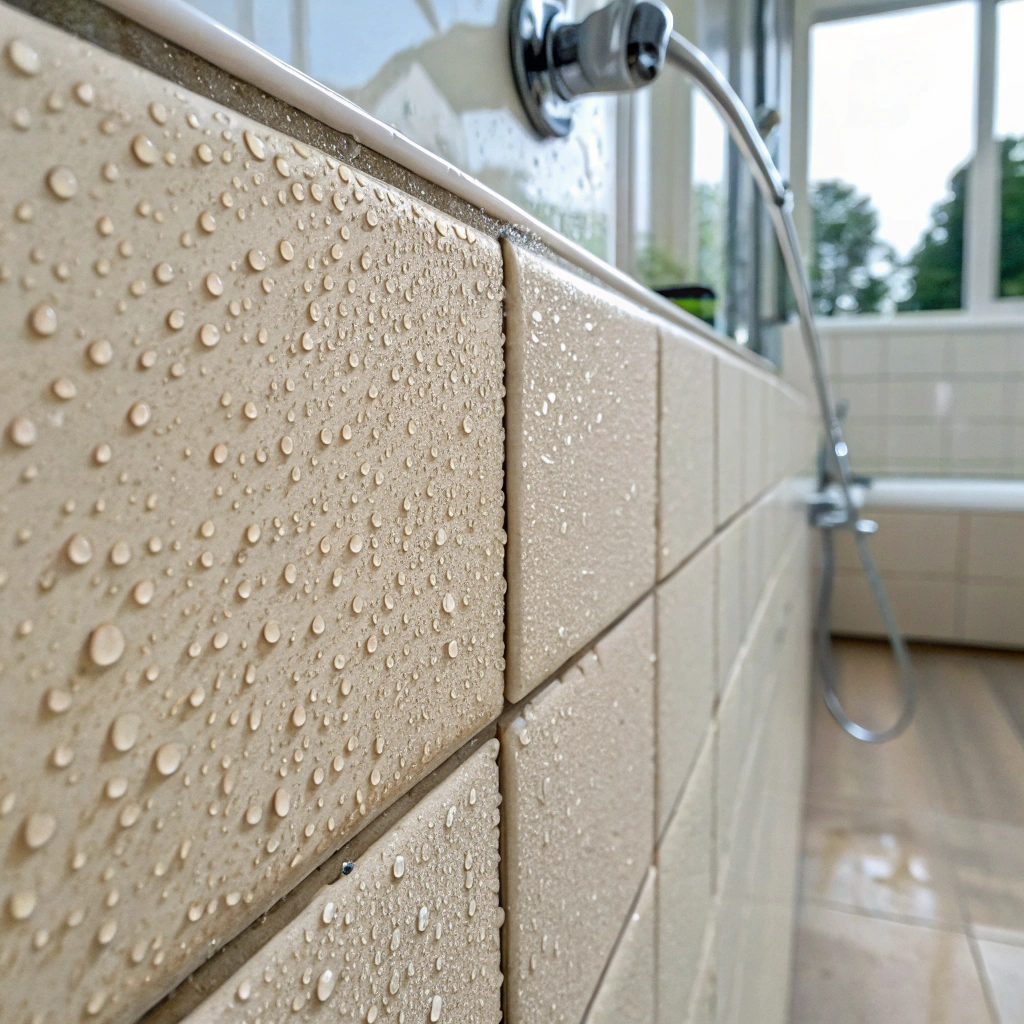
How Long Does Grout Sealer Last — and When to Reseal
Penetrating sealer longevity varies by environment, traffic level, and cleaning product use. In residential wet areas with regular use, two to five years is the general serviceable range — with high-use shower floors at the lower end and low-traffic areas like laundries or outdoor entertaining surfaces potentially extending further with the right product.
Several factors accelerate sealer wear. Frequent use of acidic or abrasive cleaning products degrades grout sealer faster than normal wear — many homeowners unknowingly shorten their sealer’s life with the products they use every week. High foot traffic on tiled floors and outdoor UV and weather exposure compound the effect.
The water bead test is the simplest annual maintenance check — if water is absorbing rather than beading, resealing is due.
We’re available for resealing maintenance across Wollongong and the Illawarra, not just new installations. Resealing on schedule is significantly less costly than addressing grout that has deteriorated to the point of requiring full regrouting.
Grout Sealing Across Wollongong and the Illawarra
We work across the full Wollongong and Illawarra service area — Corrimal, Thirroul, Fairy Meadow, Dapto, Shellharbour, Figtree, Keiraville, Woonona, Bulli, Unanderra, and Port Kembla. If you’re in the region, we can get to you.
Wollongong’s housing stock is predominantly sixties to nineties construction — brick and fibro homes with original tiling that in many cases has never been professionally sealed. We know these homes, the grout types common in this era of construction, and the wet area conditions that make grout sealing particularly important in the Illawarra climate.
We’re local operators who understand this market and the homes in it. No guesswork, no generic service — just grout sealing done properly for the specific conditions Wollongong homeowners are dealing with.
Frequently Asked Questions
Not all grout — but most residential grout does. Cement-based grout, which is what you’ll find in the overwhelming majority of Wollongong homes, is porous and must be sealed. Epoxy grout is non-porous and self-sealing, so it doesn’t require treatment.
Run the water bead test. Drop a small amount of water onto the grout line — if it beads on the surface, the sealer is still working. If it absorbs into the grout and darkens, the sealer has worn off and resealing is due.
In residential wet areas with regular use, penetrating sealer typically lasts two to five years. High-use shower floors sit at the lower end of that range. Low-traffic areas like laundries or outdoor entertaining surfaces can extend further with the right product.
Yes — provided the grout body is still structurally sound. We clean and prepare the grout surface thoroughly before sealing, which removes surface contamination and gives the sealer the best possible bond. Sealing won’t reverse deep staining that has already set, but it prevents further absorption going forward.
We wait a minimum of 48 to 72 hours after grouting before applying sealer. Sealing too early traps moisture in the grout body and compromises both the cure and the sealer bond. Humidity and temperature in the Illawarra can affect that window, so we assess conditions before proceeding.
Penetrating sealer absorbs into the grout and bonds within the material — it’s invisible, durable, and won’t peel or flake. Topical sealer sits on the surface as a coating and wears unevenly over time. We use penetrating sealer on all residential tiling because it delivers long-term protection without altering the appearance of your grout.
We’ll give you a clear timeframe on the day based on the product used and conditions. Generally, light use can resume within a few hours, but we recommend avoiding heavy wet area use for at least 24 hours to allow the sealer to cure fully.
Ready to Protect Your Tiles? Get a Free Quote Today
Unsealed or worn grout doesn’t improve on its own — and the longer it’s left, the more work it takes to restore. If your grout is staining, harbouring mould, or simply hasn’t been sealed in years, we can assess it and give you a straight answer on what’s needed.
We’re Bathroom Renovations Wollongong — your local tile and grout sealing specialists servicing Wollongong and the Illawarra. Free quotes, no obligation.
Call us today on 02 4003 6408
- Licensed local tilers
- Servicing Wollongong and the Illawarra
- Free quotes, no obligation
