
What does AS 3740 require for Shower Waterproofing
AS 3740 is the Australian standard governing waterproofing of domestic wet areas, and it sets out specific minimum requirements for every shower waterproofing installation. The shower floor must be fully waterproofed across its entire surface. Shower walls must be waterproofed to a minimum height of 1800mm from the shower floor, or 25mm above the shower rose outlet — whichever measurement is greater. All internal corners and junctions between the floor and walls must receive reinforcing membrane tape before the main membrane coat is applied. Every penetration through the waterproofed surface — waste outlets, mixer penetrations, shelf fixings — must be individually sealed and waterproofed before tiling commences. The junction between the shower floor and the surrounding bathroom floor must be correctly detailed to prevent water migrating beyond the shower zone into adjacent floor areas.
Our licensed waterproofers apply membrane to these requirements on every shower waterproofing Wollongong installation — new builds, renovations, and remediation work across Corrimal, Thirroul, Dapto, Bulli, and Woonona.

Membrane Selection for Shower Waterproofing
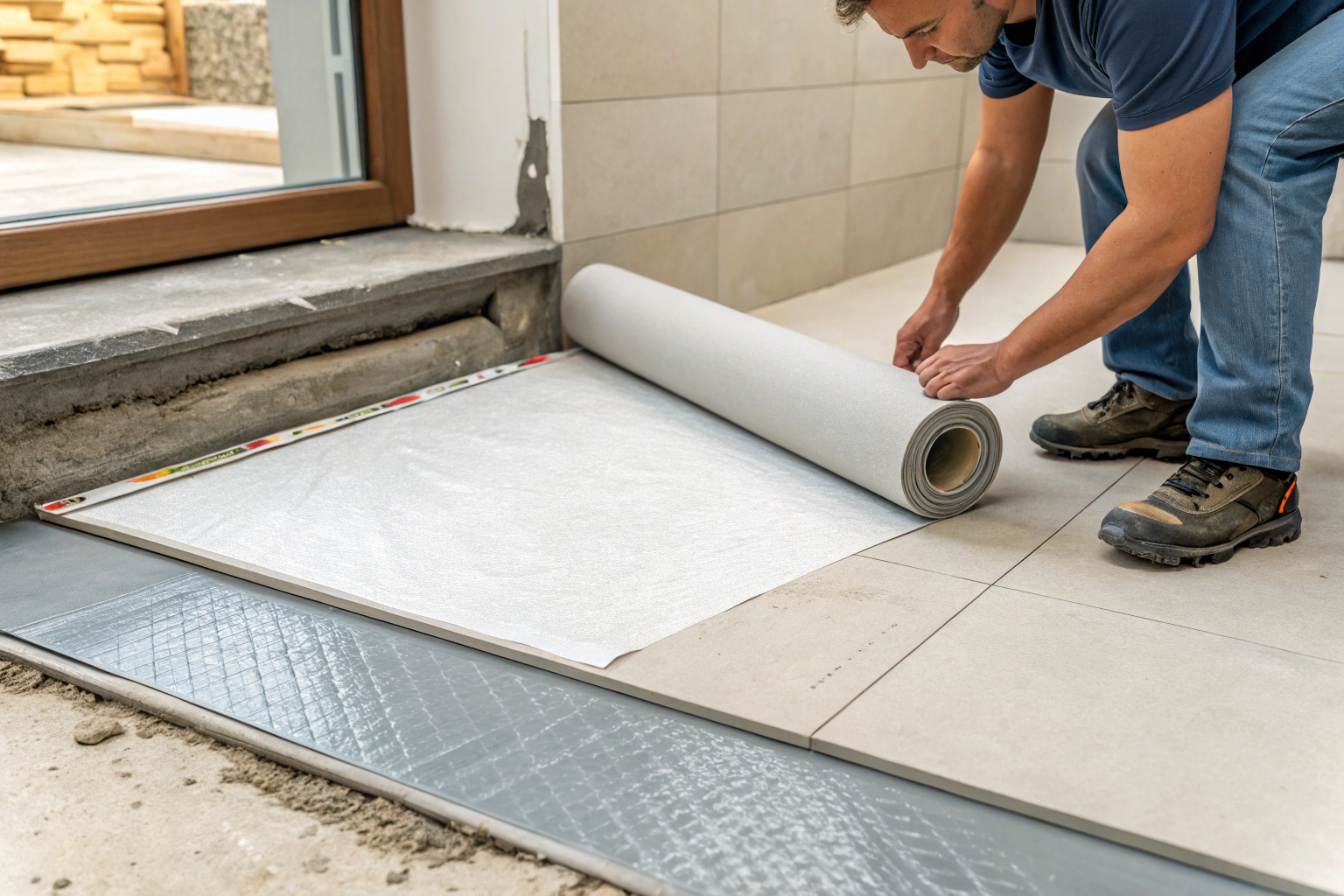
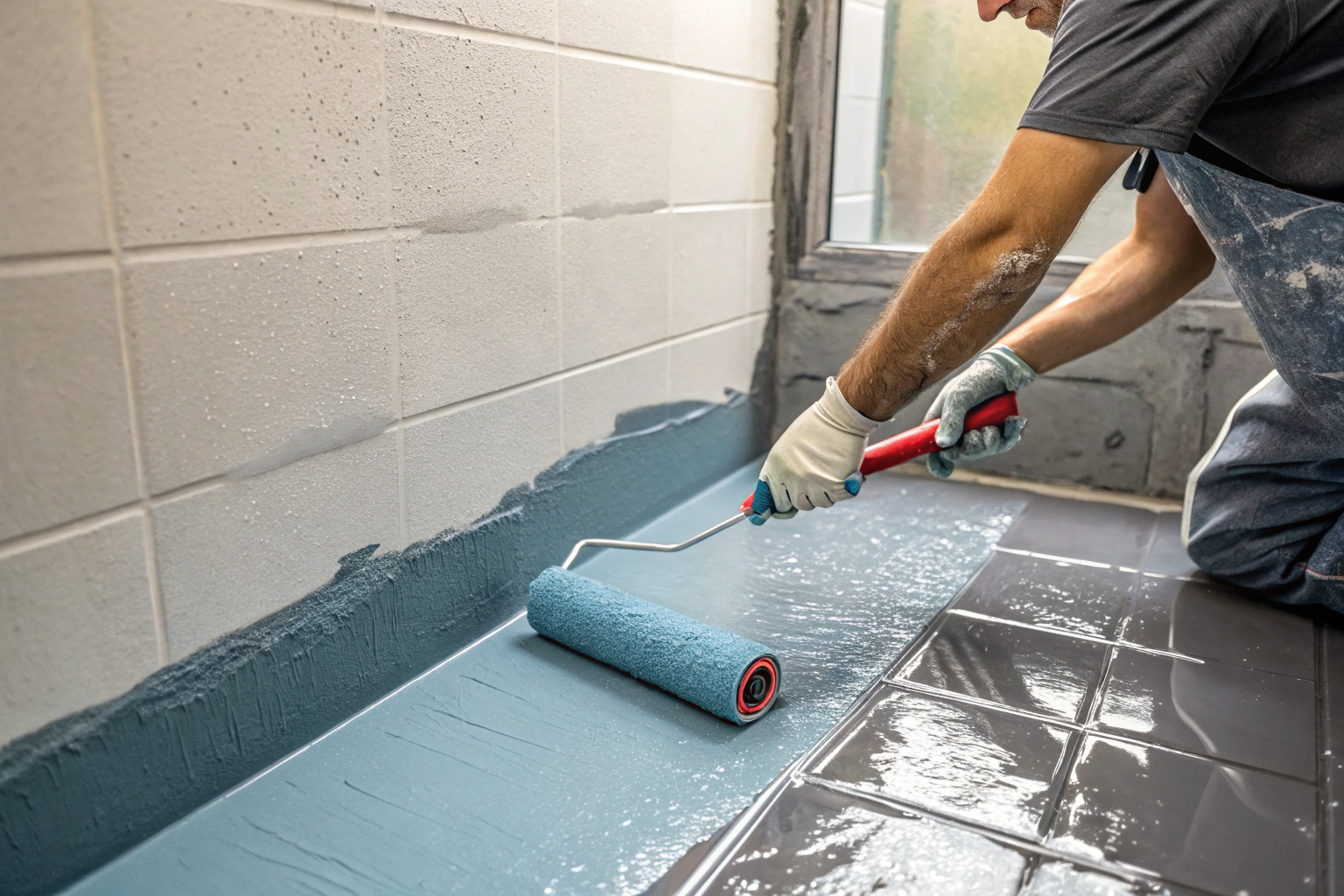
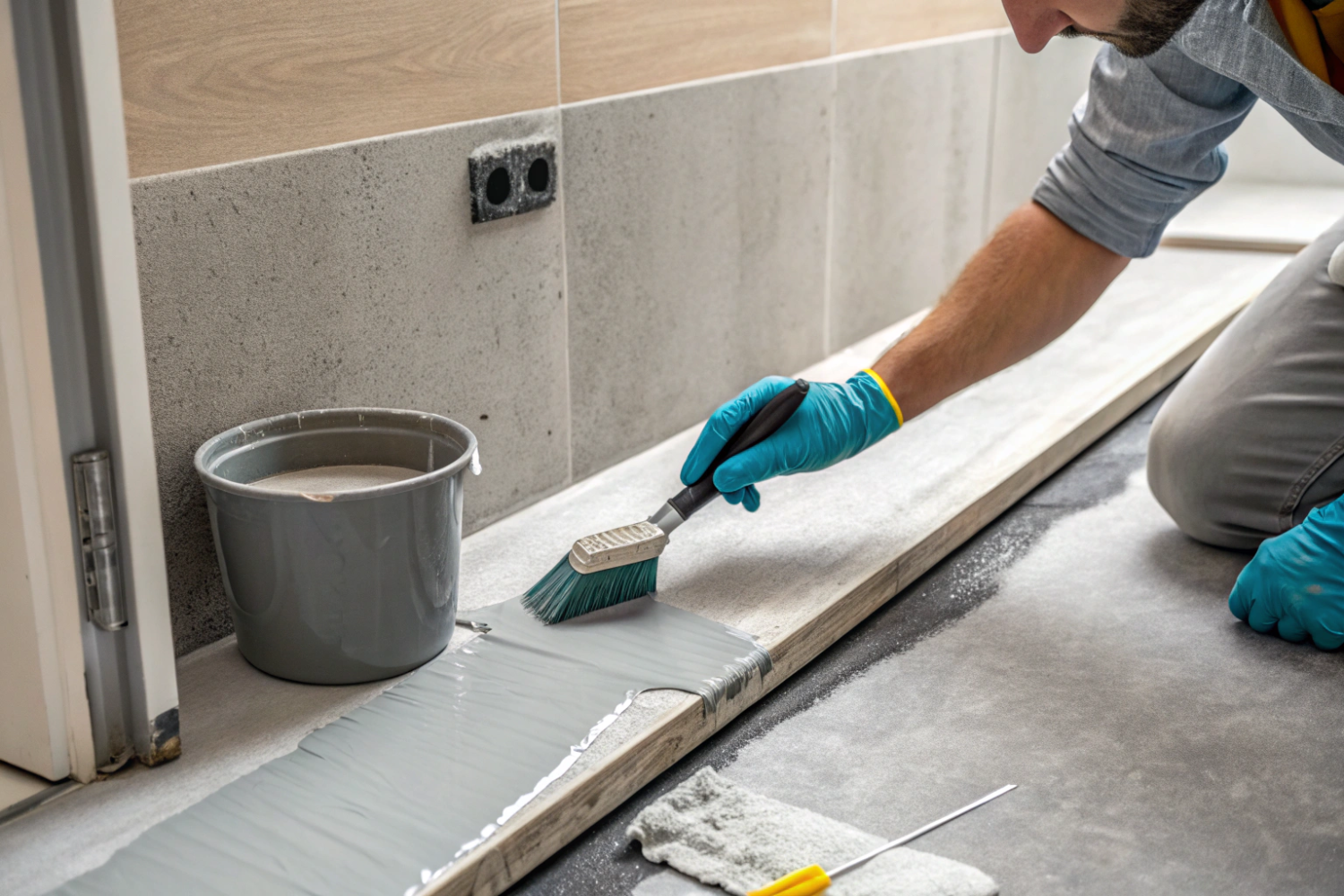
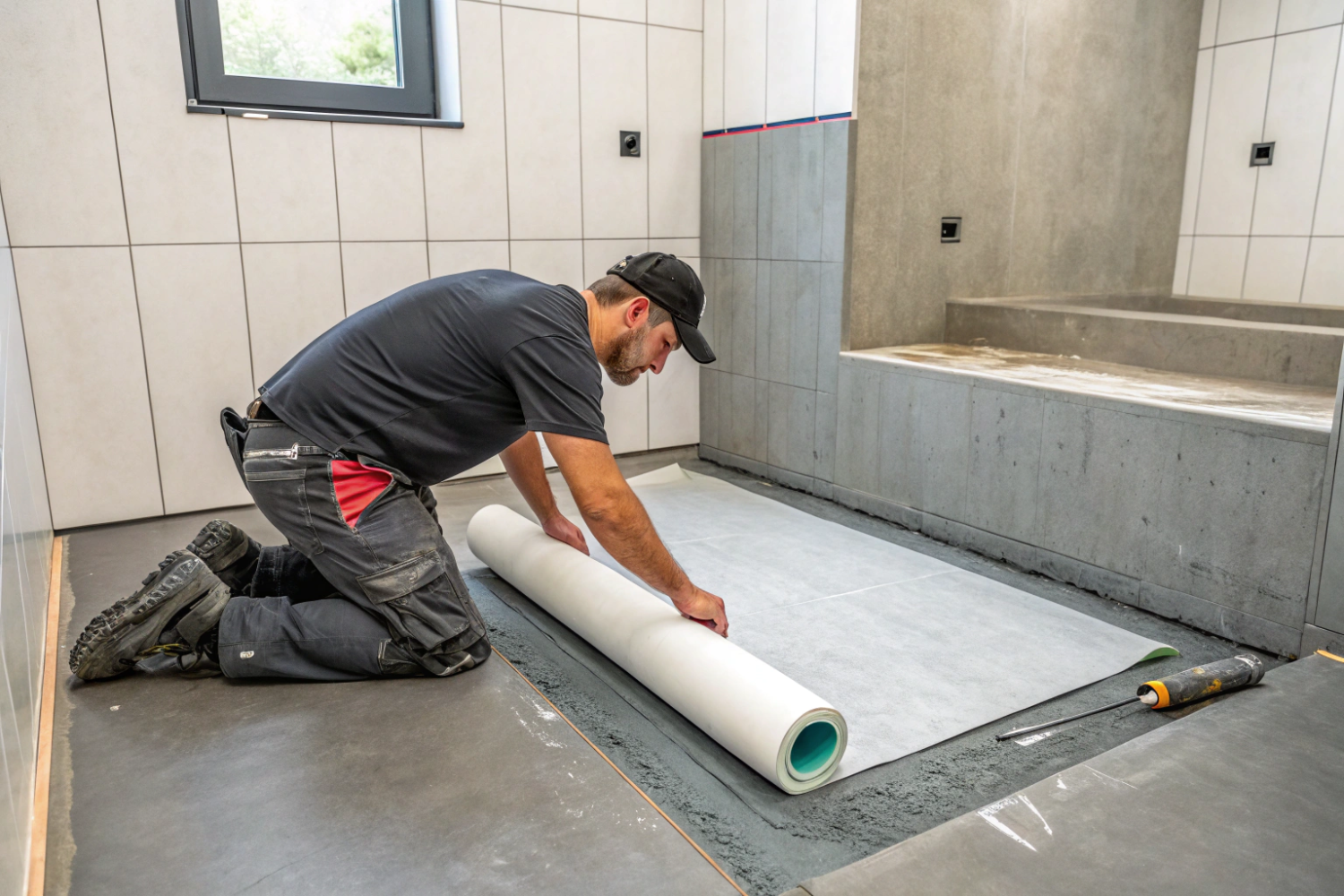
Liquid applied polymer membranes are the standard system for residential shower waterproofing — and for good reason. Applied in a minimum of two coats with reinforcing fabric tape embedded at all internal corners and junctions, a liquid-applied membrane cures to a flexible, seamless layer that accommodates minor substrate movement without cracking or losing adhesion. That flexibility matters in Wollongong and Illawarra homes where seasonal temperature variation and the natural movement of timber-framed construction place constant low-level stress on wet area substrates.
Membrane selection also needs to account for compatibility with the tile adhesive system being used over the top. Incompatible membrane and adhesive products can cause adhesion failure at the tile-to-membrane interface — the tiles begin to delaminate or hollow — even where the membrane itself remains fully intact. Our waterproofers specify membrane systems that are compatible with the adhesive being used on every shower waterproofing Wollongong installation, removing a failure point that is more common than most homeowners and tilers realise. Product compatibility is confirmed before work commences, not after.
Two-Coat Membrane Systems — Why One Coat Is Never Enough
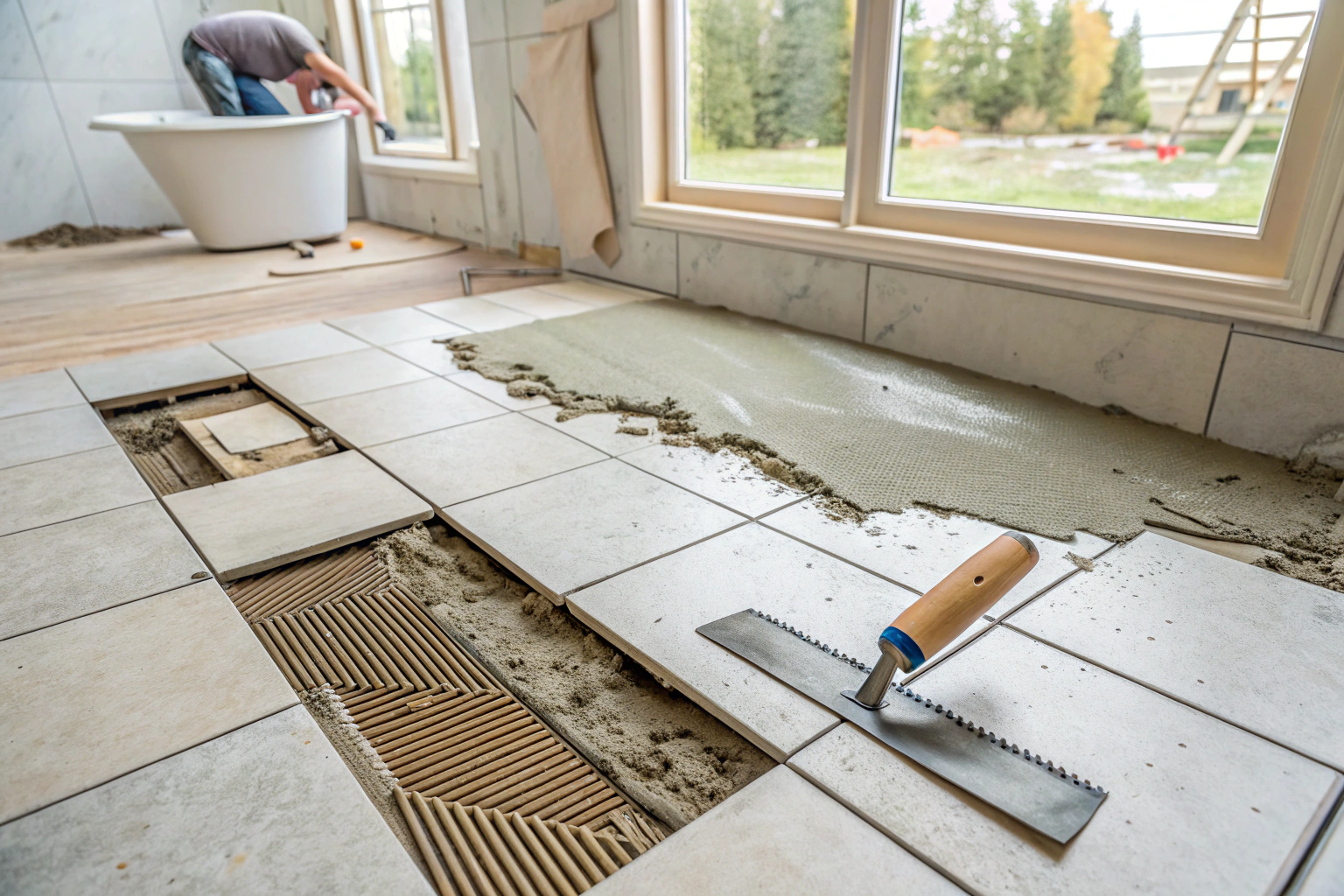
A single coat of liquid-applied membrane applied to a shower substrate will not achieve the minimum dry film thickness required under AS 3740 for a compliant shower waterproofing installation. Liquid membranes are applied wet and lose volume as they cure — a single coat that appears adequate at application will fall short of the required thickness once fully dried. The result is a membrane layer that is thinner than specified, more vulnerable to pinhole formation, and less capable of accommodating substrate movement without cracking over time.
A correctly applied two-coat system builds the membrane to the required thickness in controlled stages, with the first coat allowed to cure before the second is applied over the top. This sequence also allows any pinholes or thin spots from the first coat to be identified and addressed before the second coat locks the system in. Every shower waterproofing Wollongong installation we complete uses a two-coat membrane system with fabric reinforcement at all junctions — applied to confirmed dry film thickness before tiling is approved to commence.
Common Shower Waterproofing Failure Points
Most shower waterproofing failures trace back to a small number of recurring installation errors. Identifying these failure points is straightforward for an experienced waterproofer — preventing them is a matter of process discipline on every installation:
- Failed or absent membrane at internal corners where the floor meets the wall — the highest stress point in any shower enclosure
- Missed or inadequately sealed penetrations at the waste outlet and mixer body
- Insufficient membrane thickness from single-coat application rather than the required two-coat system
- A membrane applied over a damp or contaminated substrate that prevents proper adhesion
- Tiling commenced before the membrane has fully cured, disrupting the film before it reaches working strength
Every shower waterproofing Wollongong installation we complete is checked against each of these failure points before tiling is approved. Across Corrimal, Dapto, Thirroul, and Bulli, our waterproofers follow the same sequenced process on every job — no shortcuts, no skipped steps.
Penetration Sealing in Shower Waterproofing
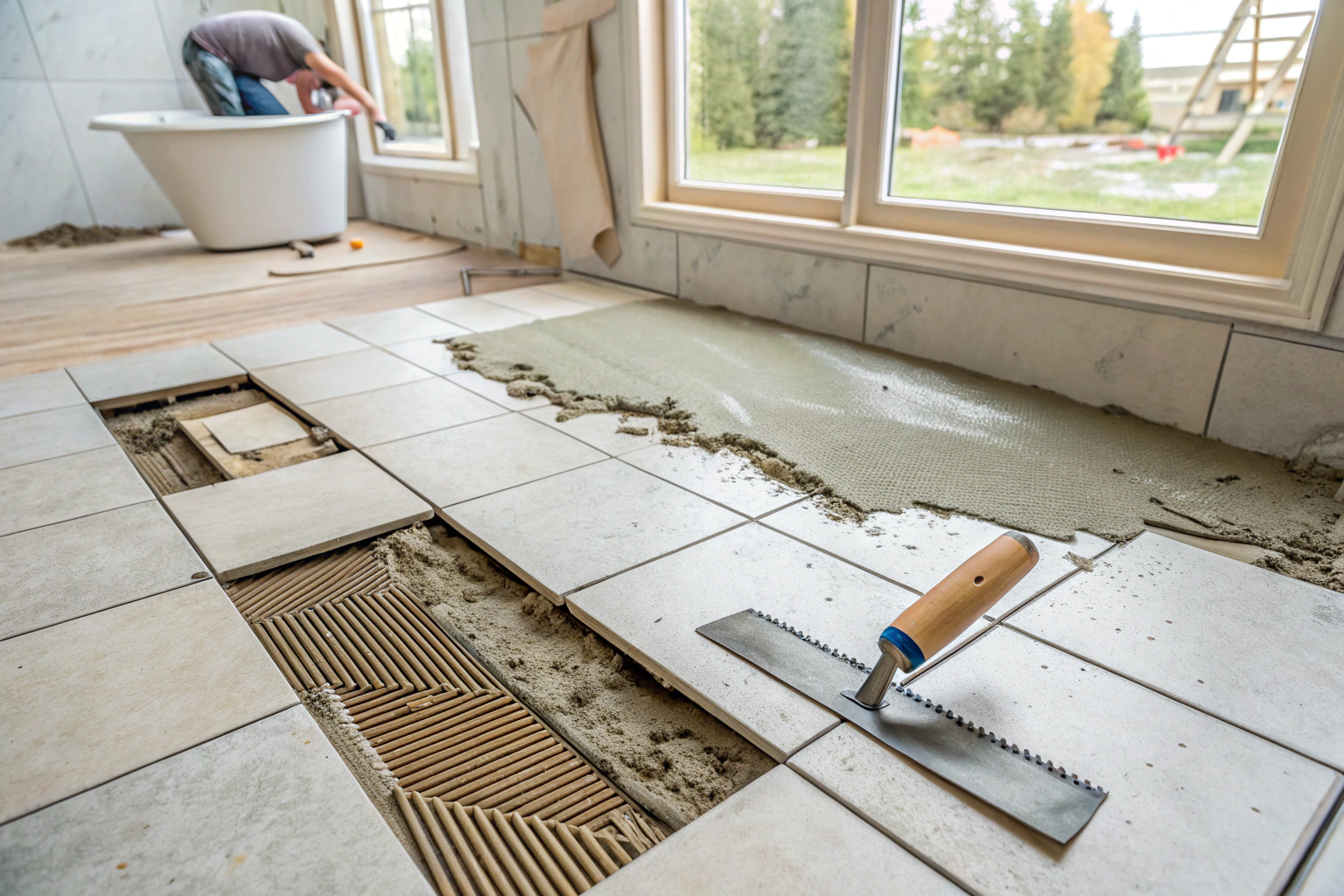
Every point where a fitting, pipe, or fixing passes through the waterproofed surface of a shower enclosure is a potential failure point. The waste outlet, the mixer body penetration, shelf fixings, niche framing edges, and any other element that breaks the plane of the waterproofed surface must be individually detailed and sealed before the main membrane coats are applied. A membrane that is correctly applied across every flat surface but left unsealed at penetrations is not a waterproofed shower — it is a shower with multiple direct pathways for water to bypass the membrane entirely.
Penetration sealing on a compliant shower waterproofing installation involves collar detailing around the waste outlet, membrane returned into and around the mixer penetration, and sealant or membrane detailing at every fixing point that breaks the substrate surface. On every shower waterproofing Wollongong installation we complete across Thirroul, Bulli, Corrimal, and Fairy Meadow, penetrations are treated as individual waterproofing details — each one inspected and confirmed before the field membrane application proceeds. No penetration is assumed sealed because it looks tight.
Substrate Preparation Before Membrane Application
The performance of any shower waterproofing membrane is only as good as the substrate it is applied to. A membrane applied over a damp, dusty, contaminated, or structurally compromised substrate will not bond correctly, and a membrane that has not bonded correctly will fail regardless of the product used or the number of coats applied. Substrate preparation is not a preliminary step that can be rushed through before the real work begins. It is a core part of the waterproofing process.
Before any membrane is applied to a shower waterproofing Wollongong installation, the substrate is inspected for moisture content, surface contamination, existing adhesive residue, and structural integrity. Surfaces must be clean, dry, and sound. Any existing membrane residue, form release compounds, or surface laitance must be removed. Where the substrate shows signs of moisture damage — particularly relevant in remediation work on older Wollongong homes in Corrimal, Dapto, and Woonona — that damage is assessed and treated before membrane application begins. A correctly prepared substrate is the foundation every compliant membrane system depends on.
FAQ — Shower Waterproofing Wollongong
Shower waterproofing in NSW is governed by AS 3740 — the Australian standard for waterproofing of domestic wet areas. It sets minimum membrane heights, junction requirements, penetration sealing details, and substrate preparation standards that all compliant installations must meet.
Under AS 3740, shower walls must be waterproofed to a minimum height of 1800mm from the shower floor, or 25mm above the shower rose outlet — whichever measurement is greater. All walls within the shower enclosure must meet this requirement.
A single coat of liquid applied membrane does not achieve the minimum dry film thickness required under AS 3740. Two coats are needed to build the membrane to the specified thickness, address any pinholes from the first coat, and deliver a system capable of accommodating substrate movement.
Cure times vary depending on the membrane product used, ambient temperature, and humidity conditions. Tiling must not commence until the membrane has reached full cure — typically confirmed by the waterproofer on site before handing over to the tiler.
In most cases, no. A failed shower membrane cannot be effectively remediated without stripping the tiles and tile adhesive back to the substrate. Attempting to seal a leaking shower from the surface with grout sealers or surface applied products does not address the membrane failure beneath.
The most common causes are absent or failed membrane at internal corners, unsealed penetrations at the waste and mixer, single-coat application achieving insufficient membrane thickness, membrane applied to a damp or contaminated substrate, and tiling commenced before the membrane has fully cured.
Get a Free Shower Waterproofing Quote in Wollongong
Shower waterproofing is the one layer in any shower installation that cannot be revisited once the tiles go on. Homeowners, builders, and tilers across Wollongong and the Illawarra region — from Corrimal and Fairy Meadow through to Thirroul, Bulli, Dapto, and Woonona — rely on our licensed waterproofers for new shower installations, full renovation waterproofing, and remediation work on showers where the original membrane has broken down.
Every installation is completed to AS 3740 standards with a two-coat membrane system, fabric reinforcement at all internal corners and junctions, and full penetration sealing before tiling commences. Getting it right the first time is the only option worth considering.
Contact us today for a free shower waterproofing Wollongong assessment and quote. Call us directly or complete our online contact form and we will be in touch promptly.
