
Why Waterproofing Is Non-Negotiable in the Illawarra
The Illawarra sits between the escarpment and the ocean, and that geography creates a moisture-heavy environment that accelerates damage to any building material that isn’t properly protected. Coastal humidity, salt air, and the region’s above-average rainfall combine to drive water penetration into substrates faster than most homeowners expect — particularly in older brick and fibro homes across suburbs like Corrimal, Thirroul, and Fairy Meadow, where the housing stock is decades old and original waterproofing has long since broken down.
In this environment, professional waterproofing is not an optional upgrade. It is the layer of protection that sits between your home’s structural materials and the water that will find every gap, crack, and poorly sealed junction it can. A failed membrane, a missed corner, or an undersized product applied to the wrong substrate can result in rotting framing, rising damp, mould growth, and structural deterioration that costs far more to remediate than the original waterproofing job would have.
Getting it right the first time is always the better investment.

Our Waterproofing Services Across Wollongong and the Illawarra
As a dedicated waterproofing company, every service we deliver is focused on one outcome — keeping water where it belongs and out of the building materials, framing, and substrates that make up your home. We work across new builds, renovations, and remediation projects throughout Wollongong and the wider Illawarra, bringing the same standard of licensed, compliant workmanship to every job regardless of size or scope.
From a full bathroom waterproofing installation on a renovation project in Figtree to an emergency leak repair on a failed shower in Dapto, our team handles the complete range of wet area waterproofing work that Wollongong homeowners, builders, and property managers require. Each service is delivered to Australian Standard AS 3740, using the correct membranes, preparation methods, and application techniques for the specific substrate and conditions involved.
Our waterproofing services include:
- Bathroom Waterproofing
- Shower Waterproofing
- Wet Area Waterproofing
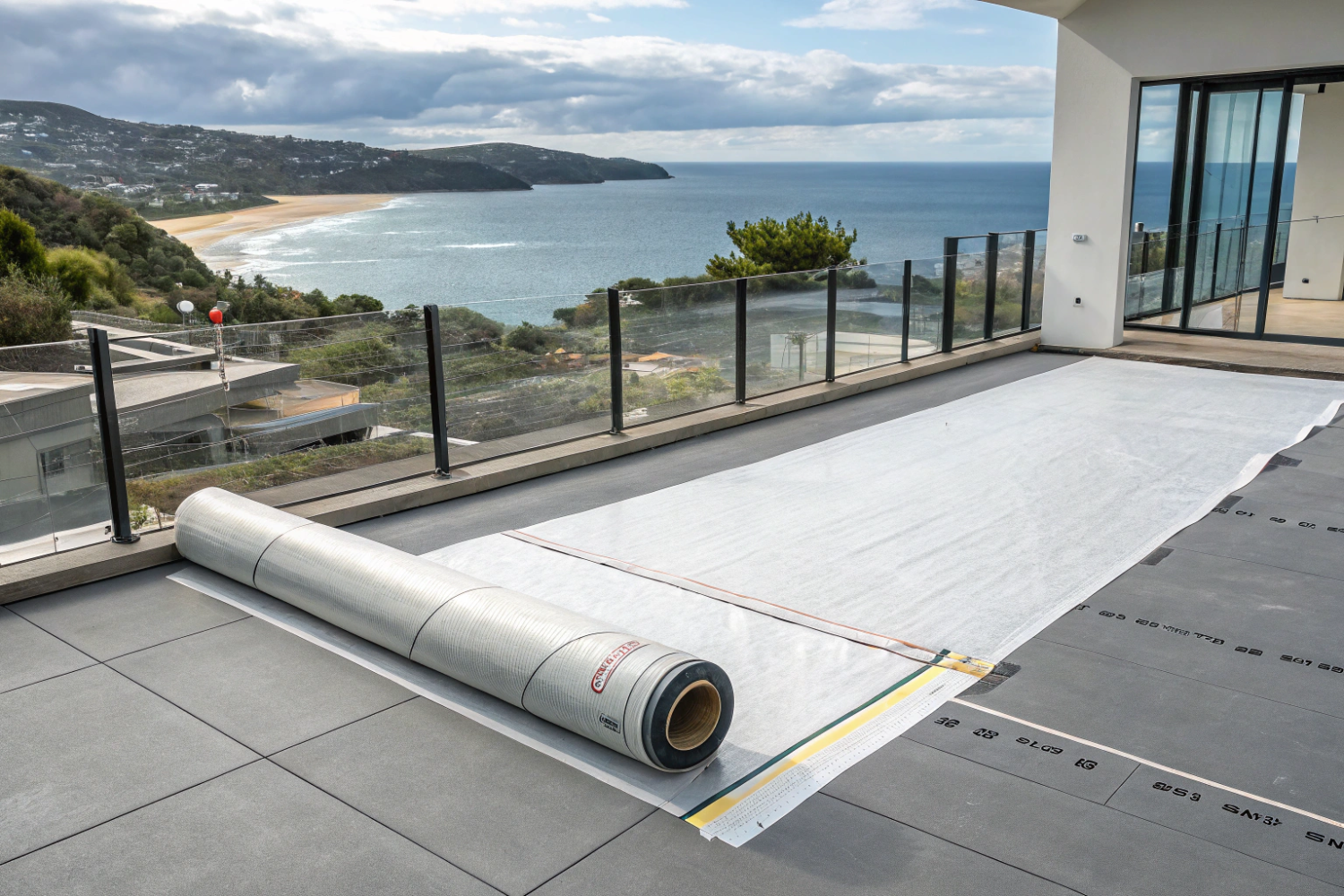
- Waterproofing Membrane Installation
- Leaky Shower Leak Prevention
- Water Damage Leak Repair
New Installations and Remediation Work — We Handle Both
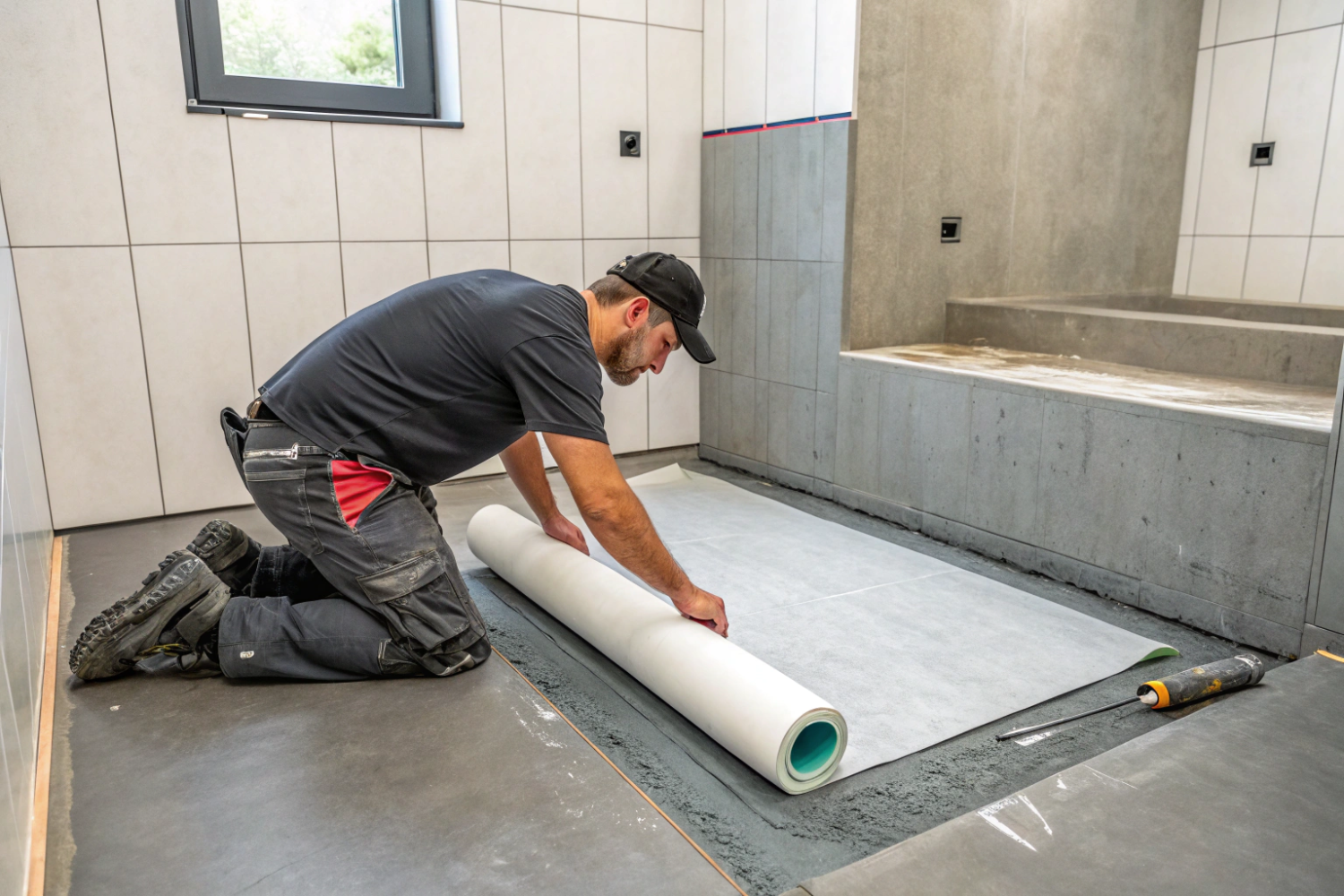
New waterproofing installations and remediation work on failed or deteriorating systems are two distinct disciplines, and our team is experienced across both. For new builds and renovations, we work alongside builders, tilers, and bathroom renovators across Wollongong to deliver compliant membrane installation at the right stage of the construction sequence — before tiles go down and before problems have a chance to develop.
Remediation work requires a different approach entirely. When waterproofing has failed — whether through poor original installation, product breakdown, or substrate movement — the priority is accurate diagnosis before any repair work begins. Stripping tiles, assessing the extent of moisture penetration, preparing the substrate correctly, and applying the right system for the conditions are all steps that need to be handled with care. Cutting corners on a remediation job produces the same failure mode as the original problem.
Whether your project is a fresh installation or a repair on a system that has already let water through, we have the licensing, products, and process to deliver a lasting result.

Signs Your Waterproofing Has Already Failed
Waterproofing failure rarely announces itself all at once. In most Wollongong homes, the signs develop gradually and are easy to dismiss as minor cosmetic issues — until the damage behind the wall or under the floor has already spread further than expected.
The most common indicators that waterproofing has failed or is deteriorating include:
- Efflorescence — white mineral deposits appearing on tiled surfaces or grout lines
- Mould growth on walls, ceilings, or silicone junctions that returns after cleaning
- Lifting or hollow tiles that have lost adhesion due to moisture beneath the bed
- Staining or damp patches appearing on walls or ceilings adjacent to wet areas
- Deteriorating grout that is cracking, crumbling, or discolouring along joint lines
- Musty odours in bathrooms or laundries that persist after thorough cleaning
Any one of these signs warrants a professional inspection before the scope of damage widens. The earlier a failed system is identified and addressed, the lower the remediation cost.
Why Product Selection Is as Important as Application
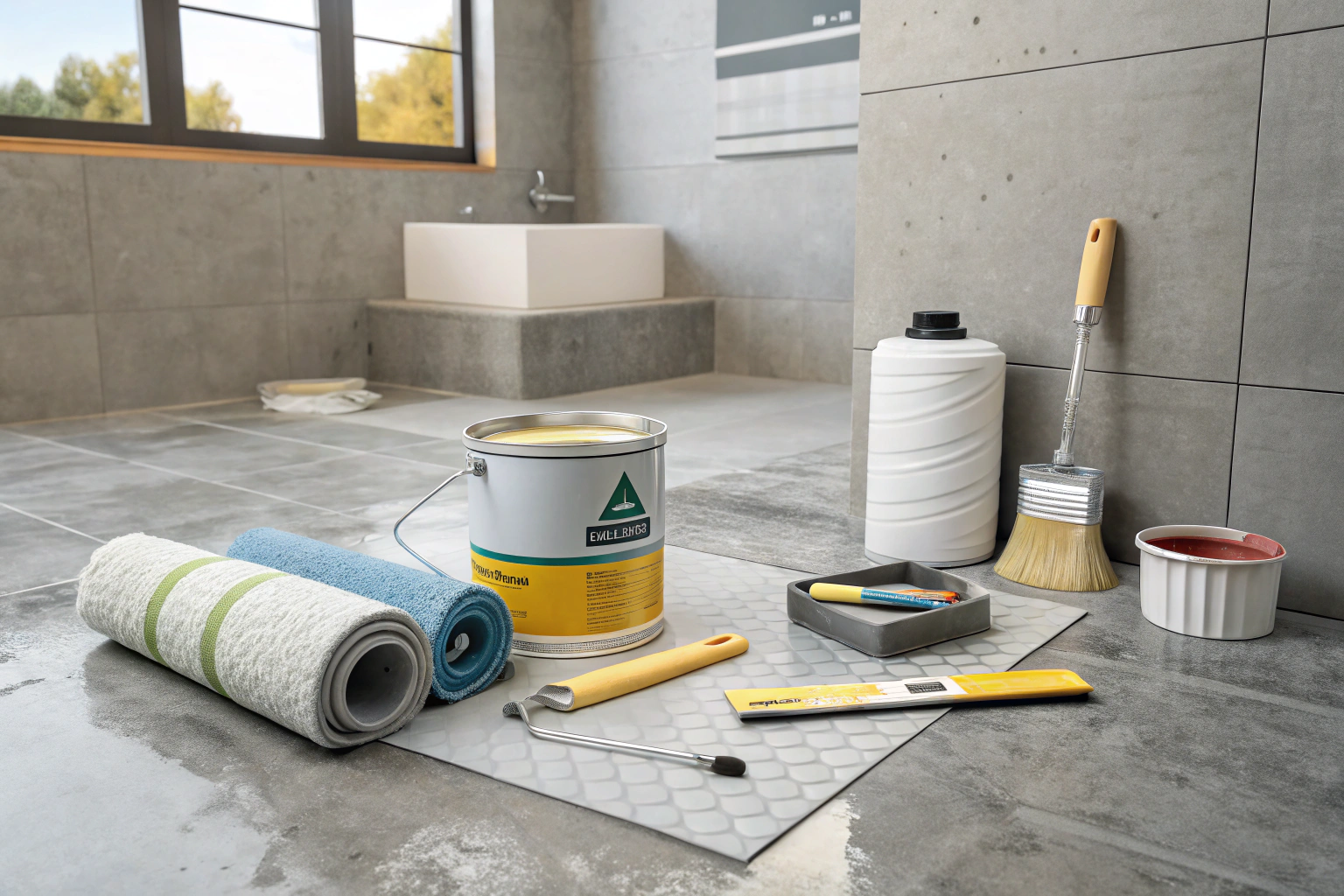
The waterproofing membrane that performs reliably on a tiled shower floor in a Wollongong home is not necessarily the right product for an exposed balcony, a laundry with a direct hose connection, or a wet room designed for accessibility use. Product selection is a technical decision that accounts for substrate type, water exposure level, movement joint requirements, and the finish that goes over the top — and selecting the wrong system is one of the most common reasons waterproofing fails before it should.
Every product has a defined performance range. Applying a light-duty membrane to a high-exposure application, or using a product incompatible with the adhesive or tile system being installed over it, produces a failure that may not show up immediately but will work its way through grout lines, junctions, and tile beds over time. Our team assesses each wet area individually and specifies the correct membrane system for the conditions — not the cheapest option or the most convenient one on the truck.
Substrate Preparation — The Step Most Waterproofing Jobs Get Wrong
No membrane system performs to its rated capacity on a substrate that hasn’t been properly prepared. Surface contamination, dust, existing adhesive residue, and uneven profiles all compromise the bond between the membrane and the surface beneath it — and a membrane that isn’t fully bonded is a membrane that will eventually allow water through at its weakest point. This is the step that separates a compliant, long-lasting waterproofing job from one that fails within a few years.
Our preparation process covers every element that affects membrane adhesion and performance:
- Full surface inspection for cracks, voids, and contamination
- Removal of existing failed membrane or adhesive residue, where present
- Crack and void repair using compatible filler products
- Priming of the substrate to the manufacturer’s specification
- Installation of bond breakers at all movement joints and internal corners
Only once the substrate meets the required standard does any membrane product go on. Rushing or skipping preparation to save time on site is the single most reliable way to produce a waterproofing failure — and it is a shortcut we do not take.
FAQ: Waterproofing Company Wollongong
Yes. Waterproofing of wet areas in NSW is classified as licensed work under the Home Building Act. Unlicensed waterproofing can void home insurance and create compliance issues when selling your property.
AS 3740 is the Australian Standard governing wet area waterproofing in residential buildings. It applies to all bathrooms, showers, laundries, and wet areas and specifies minimum membrane coverage, height requirements, and application standards contractors must meet.
Cure times vary depending on the membrane system used and site conditions. Most liquid membrane systems require a minimum of 24 to 48 hours between coats and before tiling begins. Your waterproofer should confirm product-specific cure times on site.
In some situations, yes — but it depends on the condition of the existing substrate and tiles. Loose, hollow, or contaminated surfaces generally require removal before a new membrane system can be correctly applied and bonded.
The most common causes are inadequate substrate preparation, incorrect product selection for the application, insufficient membrane thickness, missed or poorly sealed junctions, and lack of bond breakers at movement joints. These are workmanship and specification failures, not product failures.
Licensed waterproofing work in NSW should be accompanied by appropriate documentation confirming the work meets AS 3740 requirements. Ask your contractor about compliance documentation before work begins, as this is relevant to insurance and future property transactions.
Get a Free Waterproofing Inspection and Quote Across Wollongong
Waterproofing done right the first time is always less expensive than water damage repaired after the fact. Whether you are planning a bathroom renovation, working through a builder on a new project, or dealing with a leaking shower or wet area that has already shown signs of failure, our licensed waterproofing team is ready to assess your property and deliver a clear, obligation-free quote.
We service Wollongong and the full Illawarra region — from Thirroul and Corrimal in the north to Dapto, Albion Park, and Port Kembla in the south. Every inspection is carried out by a licensed waterproofing specialist, not a salesperson.
Call us today or complete our contact form to book your free waterproofing inspection and take the first step toward protecting your property properly.
